Portland’s climate is well known for its consistent rainfall, damp air, and seasonal windstorms. While these environmental conditions create a beautiful landscape, they also present ongoing challenges for homeowners, especially when it comes to maintaining a strong and reliable roof. Asphalt shingles are widely used across Portland because they are cost effective, durable, and relatively easy to repair. However, constant exposure to moisture and wind pressure can slowly weaken even the most well-installed roofing systems.
Rainwater can seep into small gaps, while wind can lift or loosen shingles, exposing the layers underneath. Over time, this combination can lead to leaks, mold growth, and structural damage. Many homeowners do not notice problems until visible signs appear inside the home, which often means the damage has already progressed.
This is why early inspection is essential. Many homeowners begin by exploring professional roof inspection and repair solutions to understand the condition of their roof. In this guide, you will learn how Portland’s weather affects asphalt shingles and how to fix and prevent damage effectively.
How Rain Affects Asphalt Shingle Roofs in Portland
Rain is one of the most significant factors contributing to asphalt shingle damage in Portland. Constant moisture exposure weakens the protective surface of shingles and allows water to penetrate deeper into the roofing system. Over time, this can lead to serious structural problems that are not immediately visible.
Common effects of rain include:
- Water seeping beneath loose or damaged shingles
- Breakdown of protective granules on shingles
- Mold and mildew are forming in hidden areas
- Damage to underlayment and roof decking
When moisture becomes trapped, it accelerates deterioration and increases the likelihood of leaks. This is particularly common in areas where debris or moss prevents proper drainage.
Homeowners often rely on advanced roof leak detection solutions to identify hidden water damage before it becomes severe. Early detection and repair are key to maintaining the long-term integrity of your roof.
How Wind Damages Asphalt Shingles
Wind damage is another major concern for asphalt shingle roofs in Portland. Strong gusts can lift shingles, break their adhesive seal, or even remove them entirely. Once shingles are lifted, the underlying layers of the roof become exposed to moisture, increasing the risk of leaks and structural damage.
Even moderate winds can weaken shingles over time. Repeated exposure reduces their ability to stay securely attached, making them more vulnerable during future storms. Loose shingles can also flap against the roof surface, causing additional wear and tear.
Wind damage is not always obvious from the ground, which is why inspections are important after storms. Small areas of damage can quickly expand if not addressed. In urgent situations, homeowners often depend on emergency roofing support for storm damage to secure their roofs and prevent further issues. Acting quickly can significantly reduce repair costs and protect your home.
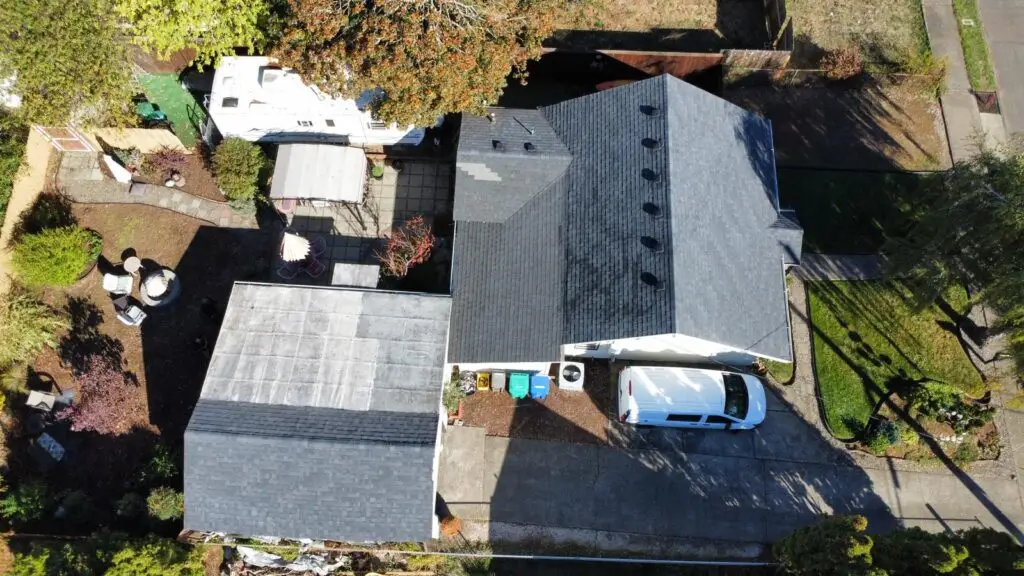
Signs Your Roof Has Weather Damage
Identifying early signs of weather damage is essential for preventing more serious roofing problems. Many warning signs are visible if you know what to look for, and addressing them early can save time and money.
Common signs include:
- Missing, cracked, or curling shingles
- Water stains on ceilings or walls
- Moss or algae growth on the roof surface
- Granules are collecting in gutters
- Visible sagging or uneven roof areas
These signs indicate that your roof may no longer be providing full protection. Ignoring them can lead to moisture buildup, structural damage, and costly repairs.
If you notice any of these issues, it is important to seek professional evaluation. Many homeowners consult experienced local roofing specialists to assess the condition of their roof and determine the best solution before the damage worsens.
When Weather Damage Can Be Repaired
Not all weather-related roof damage requires a full replacement. In many cases, repairs can effectively restore the functionality of your roof if the damage is limited and the overall structure remains strong.
Repair is often the best option when:
- Damage is confined to a small area
- The roof is relatively new
- There are no signs of widespread moisture damage
- The shingles still maintain their protective qualities
Timely repairs can prevent minor issues from developing into larger problems. Addressing damage early helps maintain the structural integrity of your roof and extends its lifespan. Homeowners often choose targeted roof repair solutions to fix specific issues without the expense of replacing the entire roof. This approach is both practical and cost-effective when conditions allow.
When Roof Replacement Becomes Necessary
There are situations where repairing a roof is no longer enough. When damage becomes widespread or the roof reaches the end of its lifespan, replacement becomes the most reliable solution.
Replacement is typically necessary when:
- There are multiple leaks across different areas
- Shingles are severely damaged or missing in large sections
- The roof structure shows signs of sagging
- The roof is more than 20 years old
A new roof provides long-term protection and reduces the need for frequent repairs. It also improves energy efficiency and enhances the overall value of your property. Many homeowners invest in long term roofing installation solutions to ensure their homes remain protected against Portland’s challenging weather conditions.
Preventing Rain and Wind Damage
Preventive maintenance is one of the most effective ways to protect your roof from rain and wind damage. Regular care helps reduce the risk of problems and ensures your roof continues to perform efficiently.
Key prevention steps include:
- Cleaning gutters to allow proper water drainage
- Removing moss and debris from the roof surface
- Scheduling regular roof inspections
- Repairing minor damage promptly
Taking these steps can significantly reduce the impact of harsh weather conditions and extend the life of your roof. For certain roofing systems, homeowners may also benefit from specialized flat roofing repair solutions to address drainage challenges and prevent water accumulation.
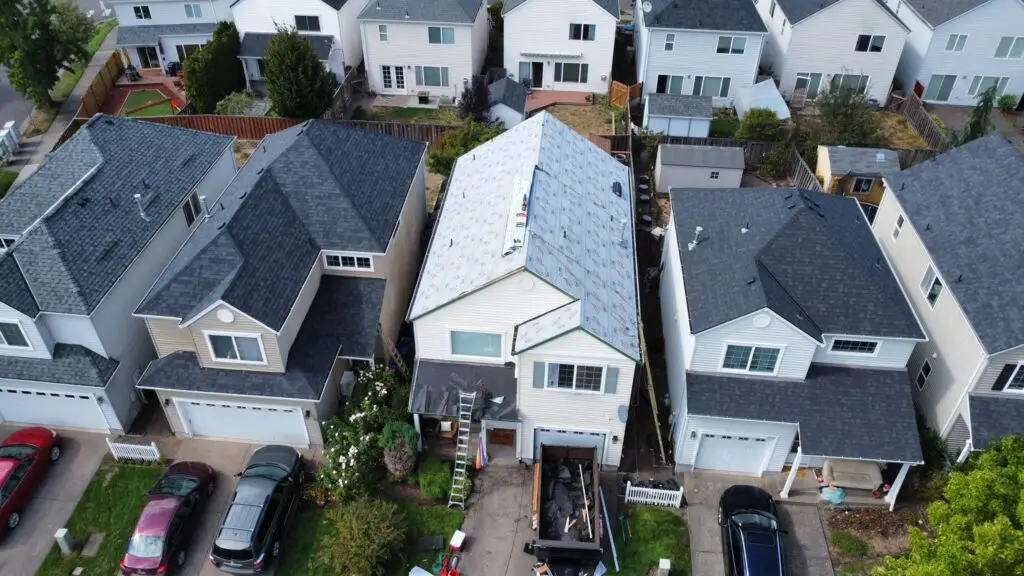
Long-Term Solutions for Roof Protection
Long-term roof protection requires a proactive approach that combines quality materials, proper installation, and consistent maintenance. Investing in durable shingles and ensuring they are installed correctly can significantly improve your roof’s resistance to environmental damage. Regular inspections allow homeowners to identify potential issues early and address them before they become serious. Preventive maintenance plays a key role in extending the lifespan of your roof and reducing long-term costs.
Staying informed about best practices is also important. Many homeowners explore helpful roofing resources and maintenance guides to better understand how to protect their roofs in Portland’s climate. By taking a proactive approach, you can ensure your roof remains strong and reliable for years to come.
Conclusion
Portland’s rain and wind create constant challenges for asphalt shingle roofs, but understanding how these elements cause damage allows homeowners to take the right steps to protect their property. Moisture can penetrate small openings, while wind can lift shingles and expose vulnerable areas. Over time, these issues can lead to leaks, structural damage, and costly repairs if not addressed early.
Knowing when to repair and when to replace your roof is essential for maintaining its performance and avoiding unnecessary expenses. Minor issues can often be resolved quickly with targeted repairs, while more extensive damage may require a full replacement for long-term protection.
Regular inspections, preventive maintenance, and timely repairs are the key to extending the life of your roof. Staying proactive helps you avoid major problems and ensures your home remains safe and secure.
To continue learning, you can explore valuable insights through the roofing knowledge and homeowner resource center. If you need expert guidance, you can connect through the professional consultation and support page. You can also learn more about the experience behind these services by visiting the trusted roofing company background and expertise page.
FAQs
1. How does rain damage asphalt shingles?
Rain allows moisture to seep under shingles, causing long-term structural issues.
2. Can wind remove shingles completely?
Yes, strong winds can lift and tear shingles off the roof.
3. How do I know if my roof has weather damage?
Look for missing shingles, leaks, or visible wear.
4. Can weather damage be repaired?
Yes, if the damage is limited and addressed early.
5. When should I replace my roof?
When damage is widespread or the roof is old.
6. Does moss worsen roof damage?
Yes, moss traps moisture and accelerates deterioration.
7. How often should I inspect my roof?
At least once per year and after storms.
8. What is the best way to prevent roof damage?
Regular maintenance and inspections are key.
9. Are asphalt shingles suitable for Portland weather?
Yes, but they require proper care.
10. Can small damage become serious?
Yes, small issues can quickly become major problems if ignored.