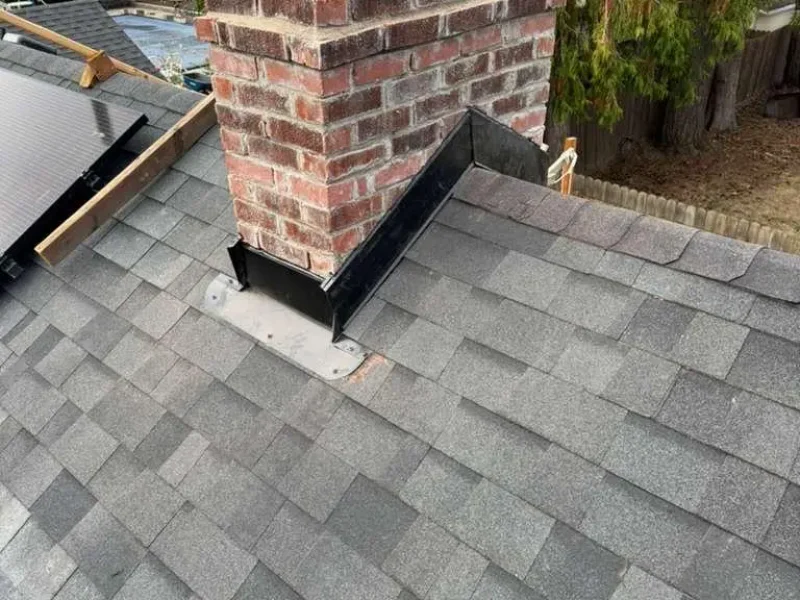
Roof repair is one of the most important aspects of maintaining a home, yet many homeowners only begin to understand it when problems arise. A small leak, missing shingles, or minor damage can quickly escalate into a costly issue if it is not addressed early. Understanding how roof repair works helps homeowners make informed decisions, reduce long-term expenses, and protect the structural integrity of their property.
Different roofing materials require different repair strategies. Asphalt shingles are common but vulnerable to moisture and weather damage. Metal roofing is durable but can develop corrosion over time. Flat roofs require special attention due to drainage challenges, while tile roofs depend heavily on strong underlayment. Each type presents unique repair needs, especially in climates with heavy moisture exposure.
By working with experienced roofing professionals, homeowners can ensure that repairs are handled correctly and tailored to their specific roofing system. Learning the fundamentals of roof repair is the first step toward maintaining a strong and long-lasting roof.
Understanding the Basics of Roof Repair
Roof repair is not simply about fixing visible damage; it involves identifying the root cause and applying the correct solution to prevent future problems. Many homeowners make the mistake of focusing only on surface issues, such as replacing a damaged shingle, without addressing the underlying factors that caused the damage.
Asphalt shingles may crack, curl, or develop moss due to moisture exposure. Metal roofing can show signs of rust if water accumulates at seams or fasteners. Flat roofs often experience drainage problems, leading to standing water and leaks. Tile roofs can shift or break, while hidden moisture beneath tiles can damage the underlayment.
A proper repair process includes inspection, damage assessment, and selecting the right method based on the material. Ignoring minor issues can lead to structural damage and higher repair costs over time. Homeowners who rely on professional repair services can ensure that problems are addressed thoroughly and effectively. Understanding these basics allows homeowners to take early action, prevent major damage, and extend the lifespan of their roofing system.
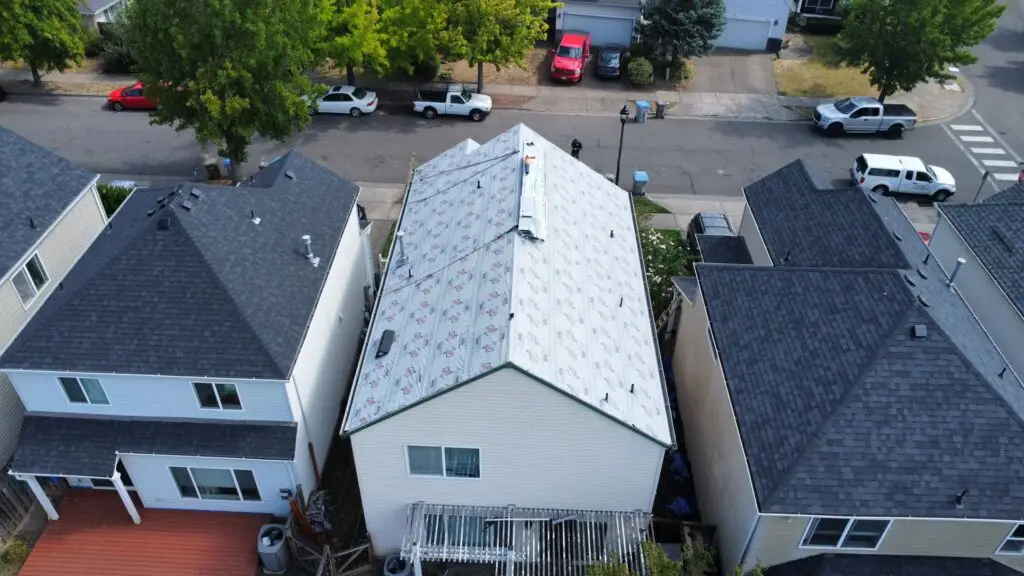
Common Causes of Roof Damage
Roof damage can result from a variety of factors, and understanding these causes is essential for preventing future issues. Environmental exposure, poor maintenance, and material wear all contribute to roofing problems over time.
- Weather conditions such as rain, wind, and temperature changes weaken roofing materials
- Moisture buildup leads to mold growth, leaks, and structural damage
- Improper installation reduces the effectiveness and lifespan of the roof
- Lack of maintenance allows small issues to develop into major problems
Each roofing type responds differently to these causes. Asphalt shingles are particularly affected by moisture and can develop moss growth. Metal roofs may corrode if water is not properly drained. Flat roofs are highly susceptible to water pooling, while tile roofs can crack or shift due to external stress.
Addressing these causes early is critical. Homeowners often rely on advanced leak detection methods to identify hidden issues before they become serious. By understanding what causes roof damage, homeowners can take preventive measures and ensure long-term durability.
Signs That Your Roof Needs Repair
Recognizing the signs of roof damage early can save homeowners from costly repairs and extensive structural issues. Many roofing problems begin with subtle warning signs that are easy to overlook but can quickly escalate if ignored.
Common indicators include water stains on ceilings, missing or damaged shingles, rust spots on metal roofing, standing water on flat roofs, and cracked tiles. These signs often point to underlying issues such as moisture infiltration or structural weakening.
Homeowners should also pay attention to increased energy bills, as damaged roofs can reduce insulation efficiency. Regular inspections help identify these problems early and prevent them from worsening. When signs of damage appear, seeking fast repair assistance can prevent further deterioration.
Understanding these warning signs allows homeowners to act quickly, protect their property, and ensure that their roofing system remains strong and reliable over time.
Types of Roof Repair Solutions
Roof repair solutions vary depending on the type of damage and the roofing material involved. Choosing the right repair method ensures that the problem is resolved effectively and does not recur.
- Patching is used for small leaks and minor damage
- Material replacement is necessary for severe wear or breakage
- Sealing helps prevent moisture from entering vulnerable areas
- Structural reinforcement improves durability and stability
Each roofing type requires specific solutions. Asphalt shingles often need partial replacement, while metal roofing may require rust treatment and sealing. Flat roofs benefit from improved drainage systems, and tile roofs may need both tile replacement and underlayment repair.
Homeowners dealing with drainage issues often turn to flat roof repair solutions to ensure proper water management. Selecting the right repair method is essential for maintaining the roof’s performance and avoiding repeated problems.
Importance of Regular Roof Maintenance
Regular maintenance is one of the most effective ways to prevent roof damage and reduce the need for repairs. Many roofing problems can be avoided through simple, consistent care.
Maintenance includes cleaning debris, checking for damage, ensuring proper drainage, and inspecting for signs of wear. Asphalt shingles benefit from moss removal, metal roofs require inspection for corrosion, flat roofs need drainage checks, and tile roofs should be examined for cracks.
Neglecting maintenance can lead to severe damage that requires costly repairs or replacement. Homeowners who prioritize maintenance often rely on ongoing roof care services to keep their roofs in optimal condition. By investing in regular maintenance, homeowners can extend the lifespan of their roofs and ensure long-term protection.
Seasonal Impact on Roof Repair
Seasonal changes have a significant impact on roofing systems and repair strategies. Understanding how weather conditions affect roofs helps homeowners plan maintenance and repairs effectively.
- Winter increases the risk of leaks due to heavy rainfall
- Spring is ideal for inspections and minor repairs
- Summer provides the best conditions for major repair work
- Fall allows for preventive maintenance before winter
Different roofing materials react differently to seasonal changes. Asphalt shingles may become brittle in cold weather, metal roofs expand and contract, flat roofs collect water during rainy seasons, and tile roofs may crack during freeze-thaw cycles.
Planning repairs according to seasonal conditions improves durability and performance. When urgent issues arise, homeowners often depend on urgent repair services to prevent further damage.
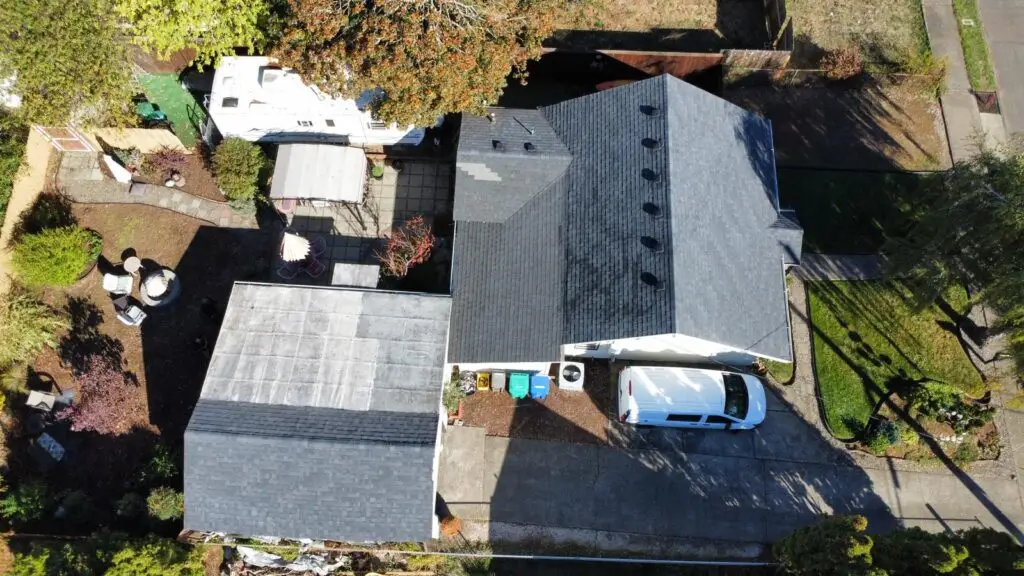
Long-Term Benefits of Proper Roof Repair
Proper roof repair offers long-term benefits that go beyond fixing immediate issues. It improves durability, enhances energy efficiency, and protects the home from environmental damage.
A well-maintained roof reduces the risk of leaks, improves insulation, and increases property value. Asphalt shingles last longer with proper care, metal roofs maintain their strength with regular maintenance, flat roofs remain leak-free with improved drainage, and tile roofs retain their durability with proper support.
Homeowners who stay informed often explore roofing insights and guides to better understand maintenance strategies. Investing in proper repair methods ensures long-term performance and reduces the need for frequent repairs.
Choosing the Right Roof Repair Approach
Selecting the right roof repair approach requires understanding the type of roofing system and the extent of the damage. A tailored strategy ensures effective and long-lasting results.
- Evaluate the condition and age of the roof
- Identify underlying issues such as moisture or drainage problems
- Choose repair methods suited to the material
- Ensure proper installation and maintenance practices
Each roofing type requires a different approach. Asphalt shingles need protection from moisture, metal roofing requires corrosion prevention, flat roofs need improved drainage, and tile roofs depend on strong underlayment.
When unsure, homeowners often choose to consult roofing experts to ensure the best solution. A well-planned approach helps maintain roof strength and prevents future problems.
Conclusion
Understanding roof repair is essential for every homeowner who wants to protect their investment and avoid costly damage. By recognizing the signs of damage, understanding the causes, and choosing the right repair methods, homeowners can ensure long-term durability.
Relying on trusted repair solutions helps address issues effectively, while access to emergency repair support ensures quick action when needed. For drainage-related concerns, especially on flat systems, using a specialized repair method improves performance.
Accurate diagnosis through leak detection techniques prevents hidden damage, and in some cases, exploring long-term roofing upgrades may be the best solution. Homeowners can also learn more through roofing resources or industry expertise, and when ready, they can connect with professionals for guidance.
FAQs
1. What is roof repair?
Roof repair involves fixing damage to maintain structural integrity.
2. How often should roofs be inspected?
At least once per year.
3. What causes roof damage?
Weather, moisture, and aging materials.
4. Are asphalt shingles durable?
Yes, with proper maintenance.
5. Do metal roofs rust?
They can if not maintained.
6. Why are flat roofs risky?
Due to drainage issues.
7. Can tile roofs break?
Yes, from impact or weather.
8. When should repairs be done?
As soon as damage is noticed.
9. Is maintenance important?
Yes, it prevents major issues.
10. How to extend roof life?
Regular inspections and care.