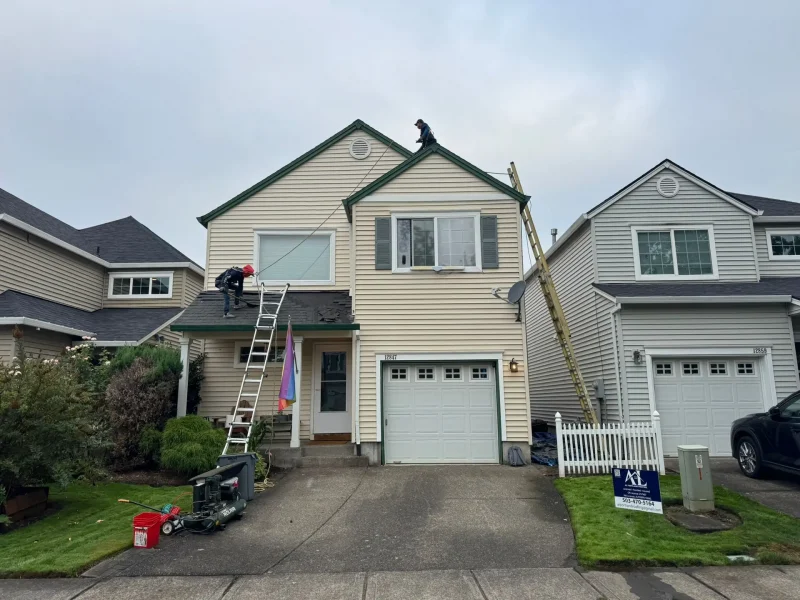
Roof repair in Portland is not as straightforward as it may seem in other cities. The region’s climate, defined by long rainy seasons, high humidity, and limited sunlight, creates a constant cycle of moisture exposure that significantly impacts roofing systems. Unlike drier areas where roofs can recover quickly after rainfall, Portland roofs often remain damp for extended periods. This prolonged exposure weakens materials over time and accelerates the development of issues such as leaks, mold growth, and structural damage.
Different roofing materials respond uniquely to these environmental conditions. Asphalt shingles are highly susceptible to moss and algae growth due to moisture retention. Metal roofing, although durable, can develop corrosion if water accumulates around seams and fasteners. Flat roofs are particularly vulnerable because they lack sufficient slope, leading to water pooling and increased leak risks. Tile roofing systems, while strong, can trap moisture beneath the surface, causing hidden damage to the underlayment.
Because of these challenges, repair strategies must be tailored rather than generalized. Homeowners who rely on experienced roofing professionals are more likely to achieve long-lasting results and avoid recurring issues.
Portland’s Climate Creates Unique Roofing Challenges
Portland’s weather plays a critical role in how roofing systems perform over time. The city experiences consistent rainfall for much of the year, combined with cloudy skies that limit evaporation. This means that roofing materials rarely get the chance to fully dry, which accelerates deterioration and increases the likelihood of long-term damage. Moisture becomes the primary factor influencing the condition of roofs, making it essential to understand how it affects different materials.
Asphalt shingles often absorb moisture, leading to moss growth that can lift shingles and allow water infiltration. Metal roofing, while resistant to water, can develop rust if moisture accumulates at joints or fasteners. Flat roofs face ongoing challenges with drainage, as standing water can quickly lead to leaks. Tile roofs, although durable, can hide moisture beneath their surface, making early detection difficult.
- Continuous rain increases moisture exposure
- Limited sunlight slows drying time
- Temperature fluctuations weaken materials
- Drainage issues create standing water risks
Because these challenges can escalate quickly, homeowners often rely on fast emergency repair solutions to prevent further damage. Addressing these issues early ensures better long-term performance.
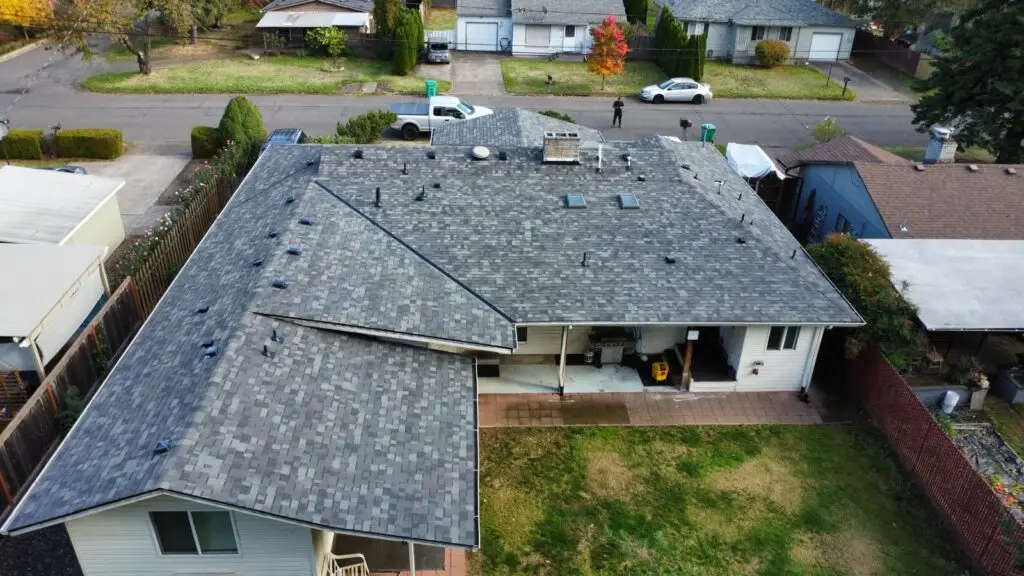
How Roofing Materials Perform in Portland Conditions
Each roofing material reacts differently to Portland’s climate, which is why repair strategies must be customized. Understanding these differences helps homeowners make informed decisions about maintenance and repairs. A one-size-fits-all approach often leads to recurring issues because it fails to address the specific needs of each roofing system.
Asphalt shingles tend to retain moisture, making them vulnerable to moss and algae growth. Metal roofing offers durability but requires proper sealing to prevent corrosion over time. Flat roofs are highly susceptible to drainage problems, which can lead to water pooling and leaks. Tile roofing, while long-lasting, can trap moisture beneath the surface, causing hidden structural damage.
- Asphalt shingles need regular cleaning to prevent moss
- Metal roofs require sealing to avoid corrosion
- Flat roofs demand proper drainage systems
- Tile roofs depend on strong underlayment protection
Flat roofing systems, in particular, require specialized attention to ensure water does not accumulate. Homeowners often turn to flat roof repair solutions to improve drainage and durability. By addressing these material-specific needs, homeowners can extend the lifespan of their roofs and reduce maintenance costs.
Common Roofing Issues in Portland Homes
Roofing problems in Portland are largely driven by moisture and environmental exposure. These issues can affect all types of roofing systems and lead to significant damage if not addressed promptly. One of the most common problems is persistent moisture, which can weaken materials and create ideal conditions for mold growth.
Asphalt shingles frequently develop moss, which can lift shingles and allow water to seep underneath. Metal roofs may experience rust and corrosion if moisture is not properly managed. Flat roofs often suffer from standing water, increasing the risk of leaks. Tile roofs can hide moisture beneath their surface, leading to structural damage that is not immediately visible.
- Moss growth damages asphalt shingles
- Corrosion affects metal roofing systems
- Standing water leads to flat roof leaks
- Hidden moisture impacts tile roofing
Because many of these issues are not visible at first, proper inspection is essential. Homeowners often rely on advanced leak detection methods to identify hidden problems early. Addressing these issues promptly helps prevent costly repairs and extends the life of the roof.
Why Standard Roof Repair Methods Fail in Portland
Standard roof repair methods are often ineffective in Portland because they are designed for drier climates. These approaches typically focus on visible damage without addressing the underlying causes, particularly moisture and drainage issues. As a result, repairs may only provide temporary relief instead of long-term solutions.
In Portland, repairs must account for constant moisture exposure, which requires more advanced techniques and materials. Simply replacing damaged shingles or sealing leaks without addressing the root cause can lead to recurring problems. This is especially true for flat roofs, where poor drainage can quickly undo any repair work.
- Temporary fixes do not address moisture issues
- Poor drainage solutions lead to recurring leaks
- Inadequate ventilation traps moisture
- Incorrect materials fail in humid conditions
In cases where repairs are repeatedly needed, a more comprehensive solution may be required. Homeowners often explore long-term roofing upgrades to improve durability and performance. A proper approach focuses on both immediate repairs and long-term protection.
The Importance of Moisture Management
Moisture management is the most important factor in successful roof repair in Portland. Without proper control, even high-quality repairs can fail prematurely. Water infiltration can weaken structural components, damage insulation, and create conditions for mold growth.
Each roofing material requires a different approach to moisture management. Asphalt shingles need protection against moss growth, metal roofs require proper ventilation to prevent condensation, flat roofs must have effective drainage systems, and tile roofs depend on a strong underlayment to prevent hidden damage.
- Proper sealing prevents water infiltration
- Ventilation reduces moisture buildup
- Drainage systems improve water flow
- Regular maintenance prevents long-term damage
Homeowners often rely on professional repair services to ensure moisture-related issues are properly addressed. By focusing on moisture control, homeowners can extend the lifespan of their roofs and reduce the need for frequent repairs.
Seasonal Factors Affecting Roof Repairs
Seasonal changes in Portland significantly impact roof repair strategies and outcomes. Each season presents different challenges that must be considered when planning repairs.
Winter brings heavy rainfall, increasing the risk of leaks and water damage. Spring provides an opportunity to inspect roofs and address any issues caused by winter weather. Summer offers the best conditions for major repairs due to drier weather. Fall is ideal for preventive maintenance before the rainy season begins.
- Winter increases moisture-related damage
- Spring allows early detection of issues
- Summer provides optimal repair conditions
- Fall helps prepare roofs for heavy rain
Different roofing materials respond differently to seasonal changes. Asphalt shingles may become brittle in cold weather, metal roofs expand and contract, flat roofs collect water during rainy seasons, and tile roofs may crack during freeze-thaw cycles. When urgent repairs are needed, homeowners often turn to urgent repair services to minimize damage.
Long-Term Benefits of Climate-Specific Repairs
Using repair strategies designed specifically for Portland’s climate provides long-term benefits. These approaches focus on durability, efficiency, and cost savings by addressing the root causes of roofing problems rather than just the symptoms.
By improving moisture control, drainage, and ventilation, homeowners can significantly extend the lifespan of their roofs. Asphalt shingles last longer when protected from moss, metal roofs perform better with proper sealing, flat roofs remain leak-free with improved drainage, and tile roofs maintain their strength when underlayment is protected.
- Reduced need for frequent repairs
- Improved resistance to moisture damage
- Extended lifespan of roofing materials
- Lower long-term maintenance costs
Homeowners who want to stay informed often explore roofing maintenance resources to better understand how to care for their roofs. A climate-specific approach ensures that roofing systems remain strong and reliable over time.
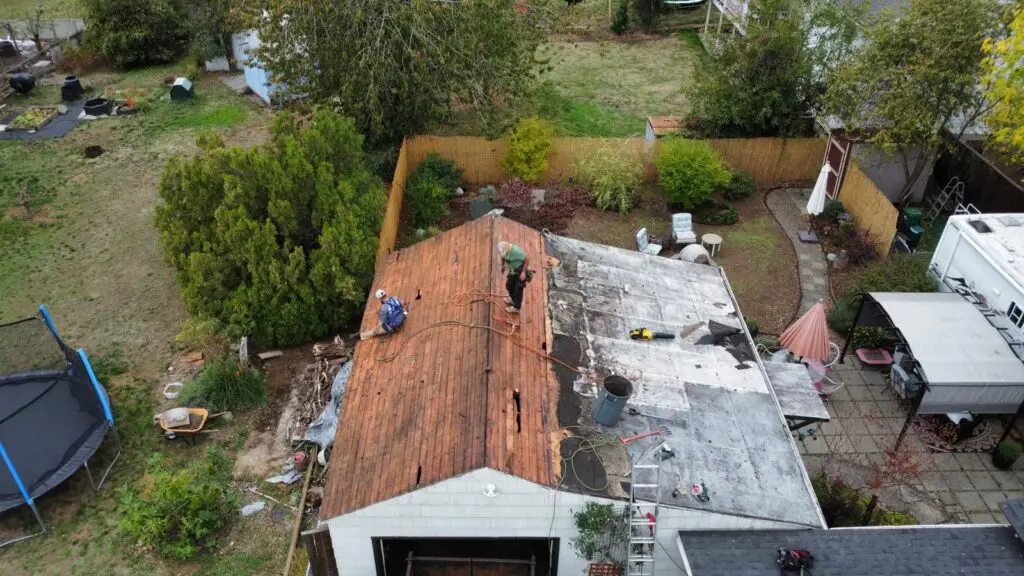
Choosing the Right Roof Repair Strategy
Selecting the right roof repair strategy requires understanding both the roofing material and the environmental conditions. A tailored approach ensures that repairs are effective and long-lasting.
- Evaluate roof condition and age
- Identify underlying issues
- Use material-specific repair methods
- Ensure proper drainage and ventilation
Each roofing system requires a unique approach. Asphalt shingles need protection from moss, metal roofs require corrosion prevention, flat roofs need improved drainage, and tile roofs depend on strong underlayment. When unsure, homeowners often choose to consult roofing professionals for guidance.
Conclusion
Roof repair in Portland requires a specialized approach due to constant moisture, unpredictable weather, and material-specific challenges. Understanding how different roofing systems respond to these conditions helps homeowners make better decisions and avoid recurring issues.
Homeowners who rely on locally adapted repair solutions often achieve better long-term results. When sudden damage occurs, having access to quick-response repair services can prevent further complications. For flat roofs, using targeted drainage solutions ensures long-term durability.
Accurate diagnosis through detailed inspection methods helps identify hidden issues early. When repairs are no longer sufficient, exploring long-term roofing improvements can provide lasting protection. Homeowners can also stay informed through educational roofing content or learn more about industry expertise before making decisions.
FAQs
1. Why are roof repairs different in Portland?
Due to constant moisture, rainfall, and humidity.
2. Which roofing type is most affected?
Flat roofs and asphalt shingles are most vulnerable.
3. How often should roofs be inspected?
At least once per year.
4. Can moss damage roofs?
Yes, especially asphalt shingles.
5. Are metal roofs suitable for Portland?
Yes, with proper maintenance.
6. What causes flat roof leaks?
Poor drainage and standing water.
7. When should a roof be replaced?
When repairs become frequent.
8. Best time for roof repairs?
Summer months.
9. Do tile roofs crack?
Yes, during temperature changes.
10. How to prevent roof damage?
Regular maintenance and inspections.