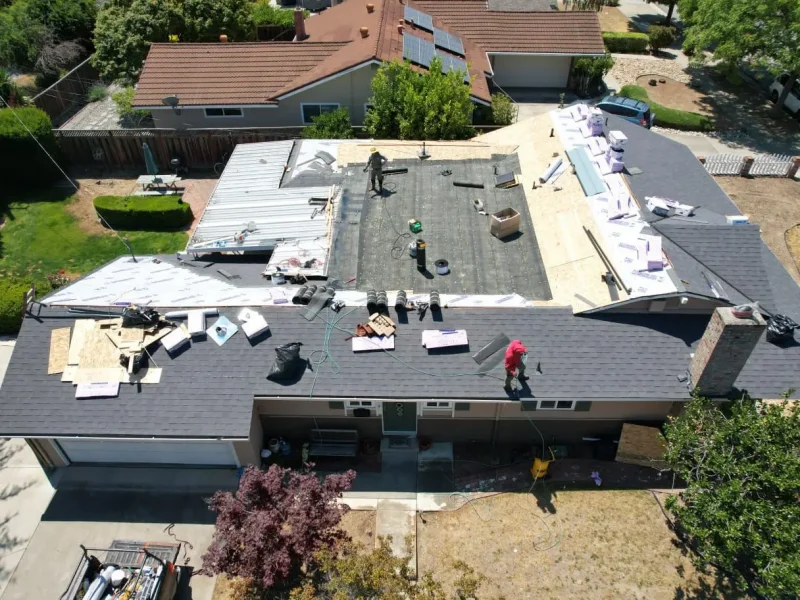
Portland’s rain is one of the most defining environmental factors affecting roofing systems in the region. Unlike areas with occasional rainfall, Portland experiences consistent moisture throughout much of the year. This creates unique challenges for homeowners, especially when it comes to maintaining and repairing roofs. Understanding how Portland’s rain impacts different roofing materials is essential for preventing long-term damage and ensuring durability.
Each roofing type responds differently to constant moisture exposure. Asphalt shingles can absorb water and develop moss growth, metal roofing may experience corrosion over time, flat roofs often struggle with drainage issues, and tile roofs can trap moisture beneath the surface. These differences make it necessary to use specific maintenance and repair strategies tailored to each material.
Homeowners who rely on professional roof repair services can better protect their roofs from rain-related damage. By understanding how Portland’s climate affects roofing systems, homeowners can take proactive steps to extend the lifespan of their roofs and reduce costly repairs.
How Portland’s Rain Affects Roofing Systems Overall
Portland’s consistent rainfall creates ongoing stress for roofing systems. Unlike dry climates where water quickly evaporates, moisture in Portland tends to linger, leading to long-term exposure that gradually weakens roofing materials. This continuous dampness affects both the surface and the underlying structure of roofs.
Over time, water infiltration can cause materials to deteriorate, reduce insulation efficiency, and create conditions for mold growth. Roofing systems must be designed and maintained to handle these conditions effectively. Asphalt shingles may become saturated, metal roofs can develop rust, flat roofs often experience standing water, and tile roofs may hide moisture beneath their layers.
- Constant rain increases moisture retention across all roofing materials
- Limited sunlight slows drying and accelerates wear
- Water infiltration weakens structural components over time
- Poor drainage leads to leaks and long-term damage
When heavy rain causes sudden issues, homeowners often depend on emergency repair services to prevent further damage. Addressing these challenges early is key to maintaining a strong and reliable roofing system.
Impact of Rain on Asphalt Shingle Roofs
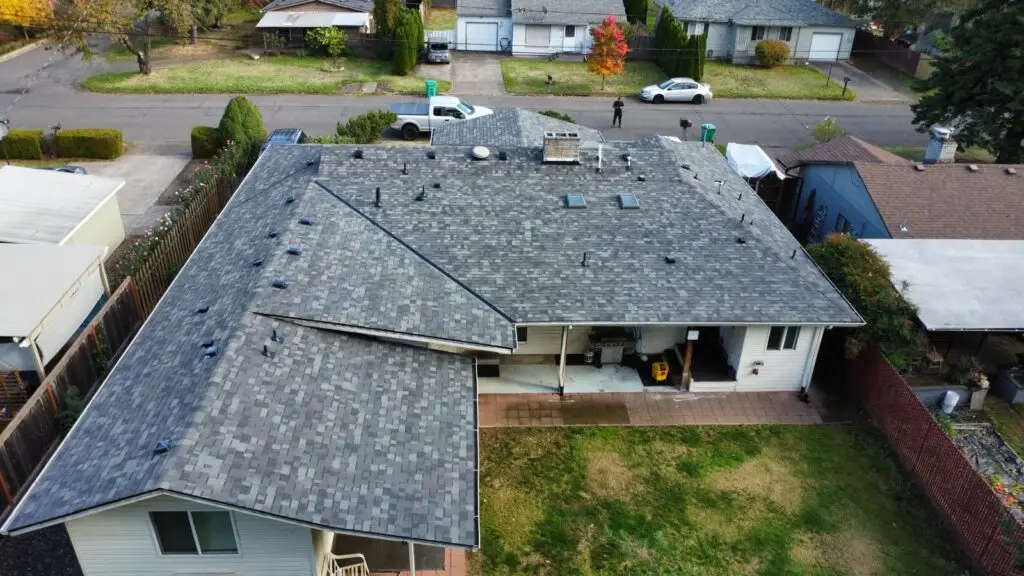
Asphalt shingles are one of the most common roofing materials, but they are particularly vulnerable to Portland’s rainy climate. These shingles are designed to provide water resistance, but constant exposure to moisture can weaken their effectiveness over time. Rainwater can seep into small cracks or gaps, leading to gradual deterioration.
One of the biggest issues with asphalt shingles in Portland is moss and algae growth. Moisture creates the perfect environment for organic growth, which can lift shingles and allow water to penetrate underneath. Over time, this can lead to leaks and structural damage if not addressed promptly.
- Moisture retention leads to moss and algae growth
- Water infiltration weakens the shingle structure
- Temperature changes cause cracking and curling
- Poor maintenance accelerates deterioration
Proper maintenance is essential for asphalt roofs. Regular cleaning and inspections help prevent buildup and extend lifespan. Homeowners often rely on asphalt roof repair solutions to address damage caused by prolonged rain exposure.
How Rain Impacts Metal Roofing Systems
Metal roofing is known for its durability and resistance to water, but Portland’s constant rain still presents challenges. While metal roofs do not absorb water like asphalt shingles, they can experience issues related to moisture accumulation and temperature changes.
Over time, water can collect around seams, fasteners, and joints, leading to corrosion if not properly managed. Expansion and contraction caused by temperature fluctuations can also weaken connections, allowing water to enter vulnerable areas. Proper installation and maintenance are crucial to prevent these issues.
- Water accumulation can cause corrosion at seams
- Temperature changes lead to expansion and contraction
- Improper sealing increases the risk of leaks
- Lack of maintenance reduces durability over time
Despite these challenges, metal roofing remains a strong option when properly maintained. Homeowners dealing with early signs of damage often use leak detection services to identify and fix issues before they worsen.
Challenges Rain Creates for Flat Roofs
Flat roofs are among the most affected by Portland’s rain due to their design. Unlike sloped roofs, flat roofs do not allow water to drain easily, which leads to pooling and increased pressure on the roofing system.
Standing water is one of the biggest problems for flat roofs. Over time, it can weaken materials, cause leaks, and damage the underlying structure. Without proper drainage systems, even small amounts of water can create long-term issues.
- Water pooling increases the risk of leaks and structural damage
- Drainage issues prevent proper water flow
- Moisture weakens roofing membranes over time
- Continuous exposure accelerates wear and tear
To address these issues, homeowners often turn to flat roof repair services that focus on improving drainage and preventing water accumulation. Proper maintenance is essential for ensuring long-term performance.
Effect of Rain on Tile Roofing Systems
Tile roofing is known for its durability, but Portland’s rain can still create challenges. While tiles themselves are resistant to water, the underlayment beneath them is vulnerable to moisture infiltration.
Rainwater can seep between tiles and reach the underlayment, causing damage that is not immediately visible. Over time, this can lead to structural issues if not addressed. Additionally, heavy rainfall combined with temperature changes can cause tiles to crack or shift.
- Water infiltration can damage the underlayment
- Cracked or shifted tiles allow moisture entry
- Hidden damage makes early detection difficult
- Long-term exposure weakens structural support
Regular inspections are important for maintaining tile roofs. Homeowners often rely on roof repair professionals to ensure that both tiles and underlayment remain in good condition.
Long-Term Effects of Rain Exposure on Roofs
Continuous exposure to rain can have significant long-term effects on roofing systems. Over time, moisture weakens materials, reduces efficiency, and increases the likelihood of structural damage.
All roofing types are affected differently, but the common factor is prolonged moisture exposure. Asphalt shingles deteriorate faster, metal roofs may corrode, flat roofs develop drainage issues, and tile roofs can suffer from hidden underlayment damage.
- Moisture reduces the overall roof lifespan
- Repeated exposure leads to structural weakening
- Poor drainage increases repair frequency
- Lack of maintenance accelerates damage
Homeowners who stay informed often explore roofing maintenance resources to better understand how to prevent long-term issues.
Best Strategies to Protect Roofs from Portland Rain
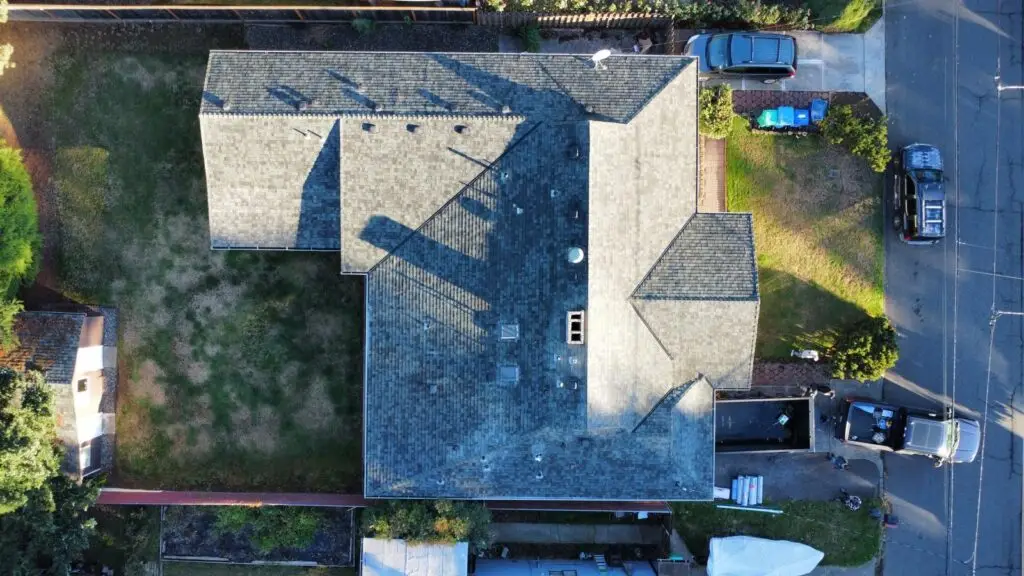
Protecting roofs from Portland’s rain requires a proactive approach that focuses on maintenance, proper repair methods, and material-specific care.
- Regular inspections help identify issues early
- Proper drainage systems prevent water buildup
- Routine cleaning reduces moss and debris
- Timely repairs prevent small problems from worsening
Each roofing material requires a tailored strategy. Asphalt shingles need moss prevention, metal roofs require sealing and inspection, flat roofs need improved drainage, and tile roofs depend on strong underlayment. When homeowners need guidance, they often choose to consult roofing experts to ensure the best protection strategies are applied.
Conclusion
Portland’s rain has a significant impact on all roofing systems, making it essential for homeowners to understand how different materials respond to constant moisture exposure. Asphalt shingles, metal roofing, flat roofs, and tile systems each face unique challenges that require specific maintenance and repair strategies.
Homeowners who rely on trusted repair solutions can effectively manage rain-related damage, while access to quick-response services ensures immediate protection during severe weather. Flat roofing systems benefit from drainage-focused repairs, while early detection through inspection techniques helps prevent hidden issues.
For long-term protection, homeowners may explore roof upgrade options, stay informed through roofing guides, or learn more about professional expertise before choosing to connect with experts for reliable solutions.
FAQs
1. How does rain affect roofs in Portland?
It causes moisture buildup, leading to damage.
2. Which roof type is most affected?
Flat roofs and asphalt shingles.
3. Can rain damage metal roofs?
Yes, through corrosion if not maintained.
4. Why do flat roofs leak more?
Due to poor drainage.
5. Do tile roofs absorb water?
Tiles don’t, but underlayment can.
6. How to prevent rain damage?
Regular maintenance and inspections.
7. Is moss harmful?
Yes, especially for shingles.
8. How often should roofs be inspected?
At least once a year.
9. Can leaks be hidden?
Yes, especially in tile roofs.
10. When repair roof?
As soon as damage appears.