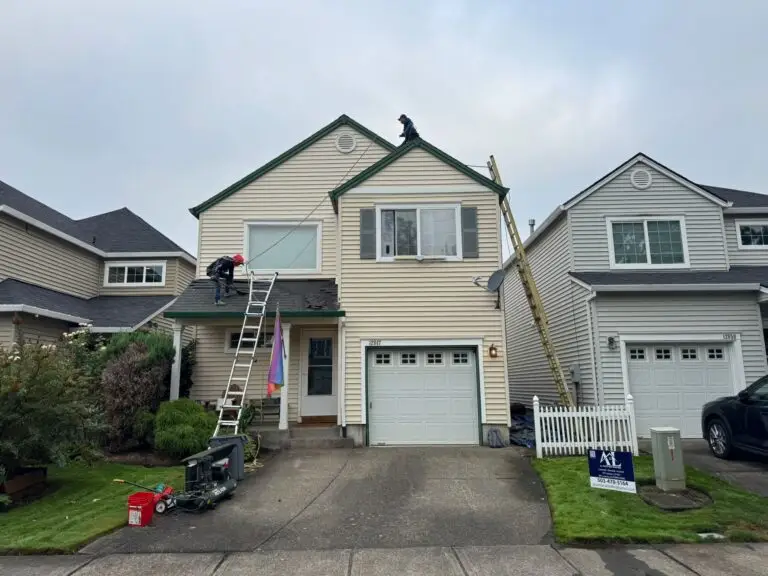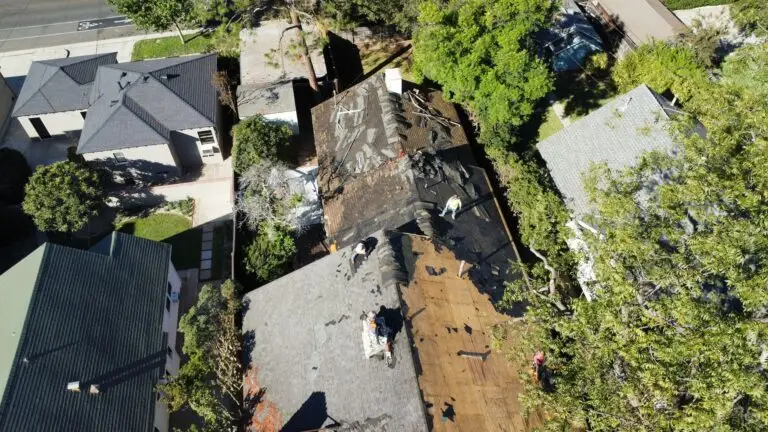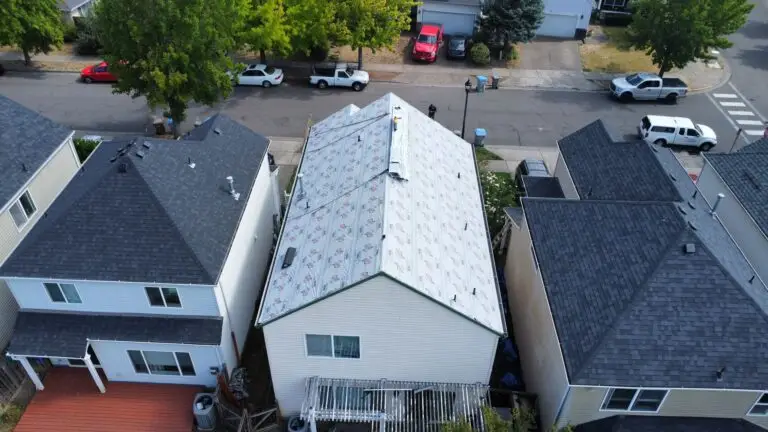
Is your roof nearing the end of its life, or are you planning a home upgrade that requires a full replacement? In Portland, OR, roof installation is not just a construction project; it is a weather defense system. Heavy rain, moss growth, wind events, and seasonal temperature swings can expose weak installation details quickly. Many homeowners focus on shingles and color, but long-term performance depends on what is underneath: ventilation, flashing, underlayment, decking condition, and water management design. A new roof is a major investment, and the best results come from knowing what to expect before the first day of work. This complete guide explains expert roof installation in Portland, including material choices, project steps, permit considerations, bid comparisons, and practical questions to ask so you can hire confidently and avoid costly surprises.
What expert roof installation really means in Portland
Expert roof installation is a complete system approach, not just replacing old shingles with new ones. In Portland’s climate, water management details often matter more than the visible finish. A quality installation starts with evaluating the existing roof structure, including decking, attic ventilation, and drainage patterns. If the roof has a history of leaks, the crew should investigate likely failure points such as valleys, chimneys, skylights, and sidewall transitions before planning the new build.
An expert installer also selects materials that match Portland conditions. That means underlayment designed for moisture exposure, flashing methods that direct water away from joints, and ventilation that prevents trapped attic humidity from damaging the roof from below. Homeowners comparing replacement scopes often start by reviewing what a full installation typically includes on a service page, like new roof installation information. Reading a clear scope helps you spot estimates that skip critical layers or fail to address common Portland risks like moss and prolonged moisture.
Roofing material choices that perform best in wet climates
Portland homeowners often choose asphalt shingles, but there are different grades and performance classes that matter in wet regions. Architectural shingles typically offer better wind resistance and longer lifespan than basic three-tab styles. Some homeowners also explore metal roofing options for longevity and moss resistance, depending on neighborhood style and budget. The best material choice is the one that fits your roof design, ventilation setup, and exposure to shade, trees, and wind.
When evaluating materials, it helps to look beyond the shingle brand and focus on the full system:
- Underlayment type, including synthetic options and water-barrier layers in vulnerable zones
- Flashing materials and methods at chimneys, walls, skylights, and valleys
- Ridge ventilation and intake ventilation to support airflow
- Ice and water protection where backups and heavy runoff can occur
- Fastener patterns and manufacturer requirements for wind ratings
Industry guidance from the National Roofing Contractors Association emphasizes that durability depends heavily on proper system design and installation practices, not just surface materials. If your current roof has recurring leaks, material choice should be paired with a diagnosis-first mindset, such as roof leak detection and repair guidance so the new roof is designed around known water entry risks.
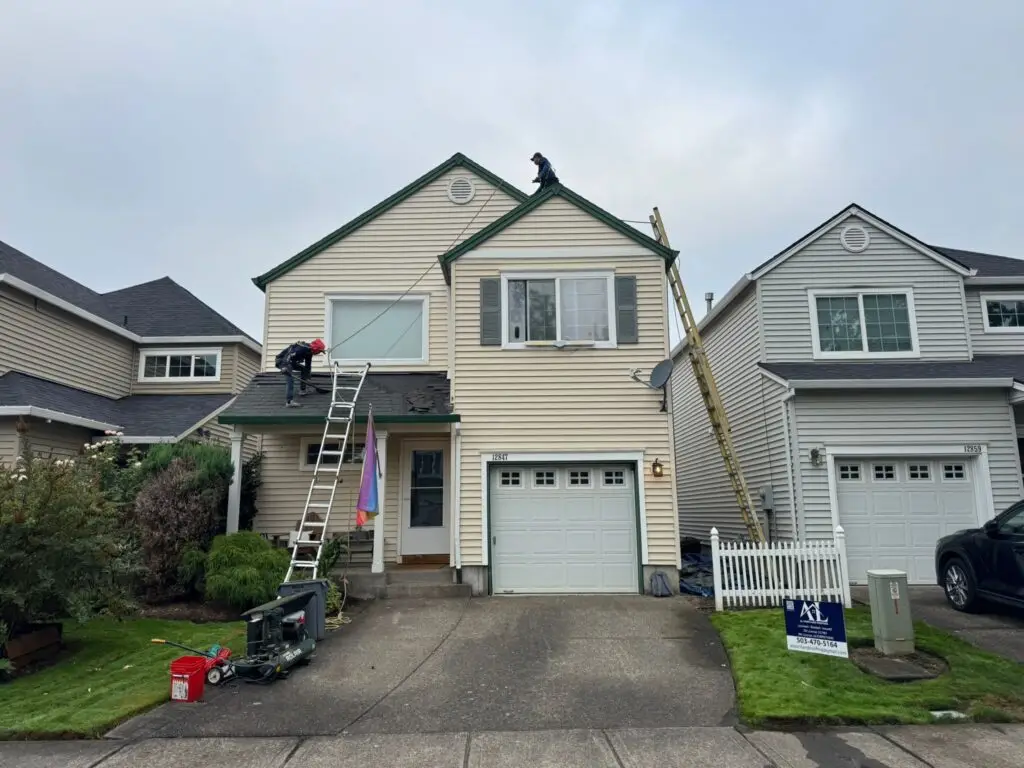
The roof installation process step by step
Understanding the process helps homeowners plan for noise, access, timeline, and budget decisions. While exact steps vary by roof type, most expert roof installations follow a consistent sequence.
A typical installation process includes:
- Inspection and planning: roof measurements, ventilation review, flashing assessment, and material selection
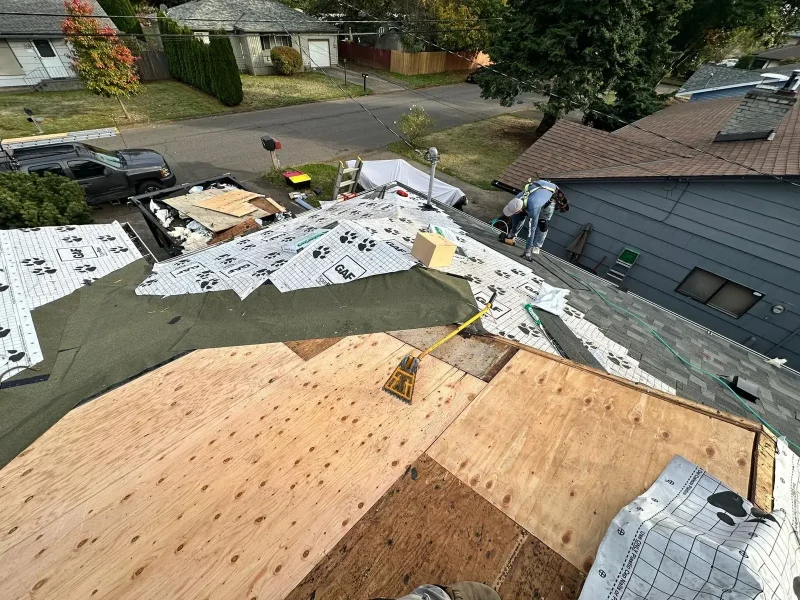
- Tear-off and deck evaluation: removing old materials and checking the decking for soft or damaged areas
- Deck repairs: replacing compromised plywood or boards where needed
- Waterproofing layers: installing underlayment, water barriers, and drip edges
- Flashing installation: integrating flashing at walls, chimneys, penetrations, valleys, and transitions
- Shingle or roofing installation: installing roofing materials with the correct fastening patterns
- Ventilation finishing: ridge vents, intake vents, and sealing details
- Cleanup and inspection: magnet sweeps for nails, debris removal, and final walkthrough
Homeowners should expect a contractor to explain which steps apply to their roof and why. If a proposal only describes “replace shingles” without addressing decking, underlayment, flashing, and ventilation, it may not represent an expert-level installation. For homeowners who want to compare repair versus full replacement steps, a reference page like roof repair services can help clarify what changes when a project shifts from repair scope to full installation scope.
Permits, inspections, and contractor verification in Oregon
A major part of “expert” work is compliance and accountability. In Oregon, homeowners can verify whether a contractor is licensed through the Oregon Construction Contractors Board (CCB). This helps protect you from unlicensed operators and gives you a clear record of the business.
Portland permit requirements vary depending on the scope of work, especially if structural elements are involved. The City of Portland provides residential permitting guidance, which can help homeowners understand when a permit.
Before hiring, homeowners should confirm:
- CCB license number and status
- General liability insurance and workers’ compensation coverage
- Written contract terms including scope, timeline, and payment schedule
- Warranty details for labor and materials
- Who will supervise the job on-site daily
Reputable contractors welcome verification and provide documentation without hesitation. If a contractor pressures you to skip paperwork, offers cash-only deals, or refuses to provide license details, treat that as a serious red flag.
Cost, timeline, and how to compare roof installation bids fairly
Roof installation pricing in Portland varies based on roof size, pitch, number of penetrations, material choice, decking condition, and disposal needs. A fair comparison is not about the cheapest total. It is about what is included and how well the scope matches your roof’s actual risks. Two quotes can be hundreds or thousands apart because one includes proper flashing upgrades, ventilation improvements, or decking repairs, while the other does not.
When comparing bids, look for these details in writing:
- Underlayment and water-barrier type, including where extra protection is installed
- Flashing scope at chimneys, skylights, walls, valleys, and vents
- Decking replacement allowance and per-sheet pricing if damage is discovered
- Ventilation plan and what changes are included
- Cleanup steps, disposal, and site protection
- Work schedule assumptions and how weather delays are handled
- Warranty coverage and what voids it
If you are unsure about a leak history or suspect hidden damage, ask contractors how they confirm the source and how that affects the installation plan. A diagnostic approach, like leak detection and roof leak repair can reduce the chance of building a new roof on top of unresolved moisture pathways.
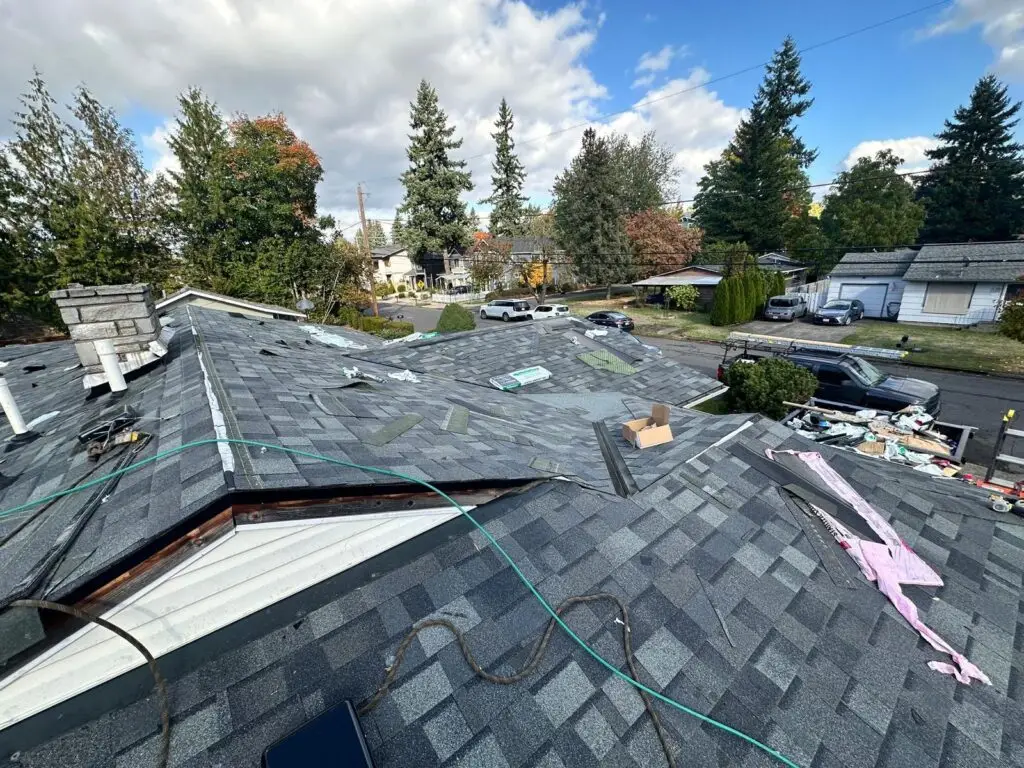
Preparing your home, managing risk, and knowing when you need emergency help
Even a well-planned roof installation can include surprises, especially in older Portland homes where decking or ventilation systems may not meet modern standards. Preparing your property and understanding risk management can make the project smoother and protect your home during weather events.
Here are smart preparation and safety steps:
- Move vehicles out of the driveway to allow debris removal and material delivery
- Protect attic storage items from dust and vibration
- Trim back branches that overhang the roofline if possible
- Ask how landscaping, patios, and windows will be protected
- Confirm daily cleanup and nail collection plans
- Request photo documentation of the decking condition before covering it
- Understand the contingency plan if rain is forecast mid-project
Sometimes homeowners discover urgent issues before a scheduled installation, such as active leaking during storms or sudden shingle blow-off. In those situations, a temporary stabilization plan may be necessary before permanent work can continue. A clear service explanation, like emergency roof repair information helps homeowners understand what emergency work typically covers, such as tarping, securing materials, and preventing further interior damage.
For ongoing education and seasonal preparation, homeowners often find it useful to review roofing tips and homeowner resources and build a checklist for gutter cleaning, moss control, and pre-storm roof monitoring.
Conclusion
Expert roof installation in Portland, OR, is a system upgrade that protects your home against moisture, wind, and long wet seasons. The most durable results come from focusing on water management details, ventilation design, quality flashing, and correct underlayment and fastening practices. Homeowners can make smarter decisions by verifying contractor licensing, comparing written scopes instead of just price, and planning for weather-related scheduling realities. If you want to keep learning, explore roofing education articles and review what a full replacement scope typically includes through new roof installation details. If your project begins as a repair or you are unsure whether replacement is necessary, it can help to compare with roof repair services and start with a diagnosis-first approach, like roof leak detection and repair. For urgent storm situations, emergency roof repair options can explain what immediate stabilization typically involves.
When you are ready to schedule a professional evaluation, AL Portland Roofing can help homeowners plan the right scope based on roof condition and local weather demands. You can request the next steps through the contact page.
Faq
1) How long does a new roof installation take in Portland?
Many residential projects take 1 to 3 days, but complex roofs, decking repairs, and weather delays can extend timelines.
2) What roofing material is best for Portland’s rainy climate?
Architectural asphalt shingles are common, and some homeowners choose metal roofing for longevity. The best choice depends on roof design, shade, and ventilation.
3) Do I need a permit for roof replacement in Portland, OR?
Sometimes. Permit needs depend on the scope and whether structural work is involved.
4) How do I verify a roofing contractor in Oregon?
Use the Oregon Construction Contractors Board to confirm license status.
5) What should a roof installation estimate include?
Scope details for decking, underlayment, flashing, ventilation, cleanup, timeline, and warranty terms, all in writing.
6) Why do new roofs still leak sometimes?
Leaks usually come from flashing errors, poor ventilation planning, or unresolved moisture pathways, not from shingles alone.
7) What is the difference between roof repair and roof replacement?
Repair addresses localized damage. Replacement rebuilds the full roofing system layers. Comparing scopes helps determine the best value.
8) Can moss damage affect a new roof installation plan?
Yes. Moss indicates moisture retention and shading. Contractors may recommend preventive strategies to protect the new roof.
9) What happens if it rains during roof installation?
Professional crews plan around forecasts and use temporary protection methods if the weather changes. Ask about the rain contingency plan.
10) When should I call for emergency roof help?
If water is actively entering the home or large sections of roofing are loose after a storm, emergency stabilization may be necessary before permanent repair.