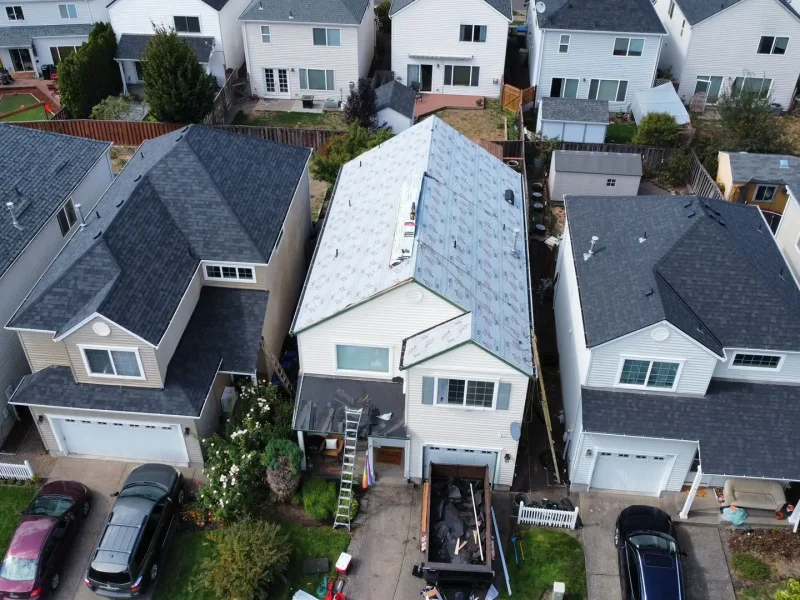
Diagnosing roof problems early is one of the most important steps homeowners can take to avoid expensive repairs and long-term structural damage. Many roofing issues begin as small, almost invisible concerns, such as minor leaks, slight material wear, or hidden moisture buildup. Over time, these problems can worsen, leading to significant damage that affects not only the roof but also the interior of the home. Understanding how to identify these issues before they escalate is essential for maintaining a safe and durable roofing system.
Different roofing materials show signs of damage in different ways. Asphalt shingles may crack or develop moss, metal roofing can show early signs of corrosion, flat roofs often reveal drainage problems through standing water, and tile roofs may hide issues beneath the surface. Because of these differences, homeowners must pay close attention to subtle warning signs.
Working with experienced roof inspection professionals can help ensure that problems are identified accurately and addressed before they become serious. Early diagnosis is the key to protecting your investment and extending the life of your roof.
Early Warning Signs of Roof Damage
Recognizing early warning signs is the first step in diagnosing roof problems. Many issues start small and gradually worsen if they are not addressed in time. Homeowners who regularly inspect their roofs can identify these signs before they develop into major concerns.
Common warning signs include water stains on ceilings, missing or damaged shingles, rust spots on metal roofing, standing water on flat roofs, and cracked or displaced tiles. These signs often indicate underlying issues such as moisture infiltration, poor drainage, or structural weakness. Asphalt shingles may show curling or granule loss, metal roofs may display early corrosion, flat roofs can develop pooling areas, and tile roofs may shift due to external stress.
Ignoring these warning signs can lead to serious damage, including leaks, mold growth, and weakened structural components. Early detection allows homeowners to take action quickly and prevent further deterioration. When these signs appear, many homeowners rely on fast repair solutions to stop the problem from spreading.
How to Inspect Different Roof Types
Inspecting a roof properly requires understanding how different materials behave and where problems are most likely to occur. Each roofing type has specific areas that should be checked regularly to identify potential issues early.
- Asphalt shingles should be checked for cracks, curling, and moss growth
- Metal roofing needs inspection around seams, fasteners, and signs of rust
- Flat roofs should be examined for standing water and drainage issues
- Tile roofs require checking for cracks, displacement, and underlayment problems
A thorough inspection involves both visual assessment and attention to detail. Homeowners should also look for debris buildup, blocked gutters, and signs of wear around flashing and edges. These areas are often the first to show damage.
For more accurate results, homeowners often use advanced inspection techniques to detect hidden issues. Proper inspection helps ensure that all potential problems are identified and addressed before they worsen.
Common Hidden Roof Problems
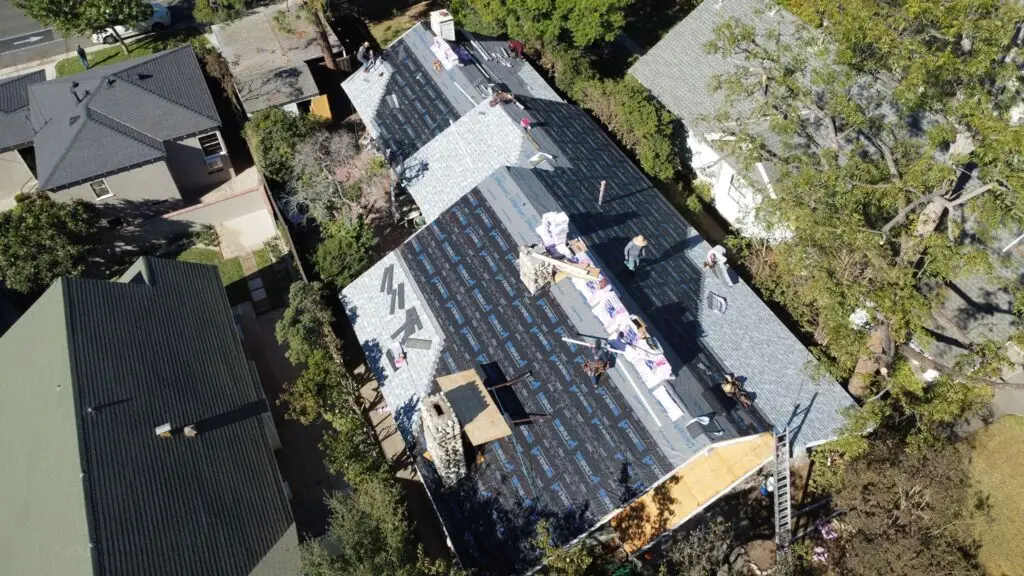
Not all roof problems are visible from the surface. Some of the most damaging issues develop beneath the roofing materials, making them difficult to detect without proper inspection. These hidden problems can lead to serious structural damage if they are not addressed early.
Moisture infiltration is one of the most common hidden issues. Water can enter through small gaps and spread beneath the roofing layers, weakening the structure over time. Asphalt shingles may hide moisture beneath their layers, metal roofs can develop corrosion underneath panels, flat roofs may trap water within their membranes, and tile roofs can conceal damage in the underlayment.
Another hidden issue is poor ventilation, which can lead to condensation and moisture buildup inside the roof structure. This can weaken materials and create conditions for mold growth.
Identifying these hidden problems requires careful inspection and attention to detail. Homeowners who suspect underlying issues often turn to to ensure accurate diagnosis and effective solutions.
Tools and Techniques for Roof Diagnosis
Diagnosing roof problems effectively requires the use of proper tools and techniques. While basic visual inspections are helpful, more advanced methods are often needed to identify hidden issues and assess the condition of the roof accurately.
- Moisture meters help detect hidden water infiltration
- Infrared cameras identify temperature differences caused by leaks
- Drones provide safe and detailed roof inspections
- Sealant tests reveal weak points in waterproofing systems
These tools allow homeowners and professionals to identify problems that may not be visible to the naked eye. For example, moisture meters can detect water beneath asphalt shingles, while infrared cameras can reveal leaks in metal roofing. Flat roofs benefit from detailed inspections to identify drainage issues, and tile roofs require careful assessment of both tiles and underlayment.
Using the right tools ensures that problems are diagnosed accurately and repaired effectively. Many homeowners rely on professional diagnostic services to ensure thorough inspections and reliable results.
Why Early Diagnosis Saves Money
Identifying roof problems early can significantly reduce repair costs and prevent long-term damage. Small issues are easier and less expensive to fix, while major problems often require extensive repairs or even full roof replacement.
When damage is detected early, homeowners can address it before it spreads. For example, repairing a small leak in asphalt shingles is much cheaper than replacing large sections of the roof. Similarly, addressing corrosion on metal roofing early prevents structural damage, while fixing drainage issues on flat roofs reduces the risk of major leaks.
Early diagnosis also helps maintain the overall efficiency of the home by preventing insulation damage and energy loss. Homeowners who take a proactive approach often rely on preventive repair solutions to keep costs low and avoid major repairs.
Seasonal Factors That Affect Roof Problems
Seasonal changes play a significant role in how roof problems develop and worsen. Understanding how weather conditions impact roofing systems helps homeowners diagnose issues more effectively and plan maintenance accordingly.
- Winter increases moisture-related damage and leak risks
- Spring reveals damage caused by harsh weather conditions
- Summer provides ideal conditions for inspections and repairs
- Fall helps prepare roofs for upcoming weather challenges
Each roofing material reacts differently to seasonal changes. Asphalt shingles may become brittle in cold weather, metal roofs expand and contract, flat roofs collect water during rainy seasons, and tile roofs may crack due to temperature fluctuations.
Planning inspections based on seasonal conditions allows homeowners to identify and address problems early. When urgent issues arise, many homeowners rely on urgent repair services to prevent further damage.
Best Practices for Preventing Roof Damage
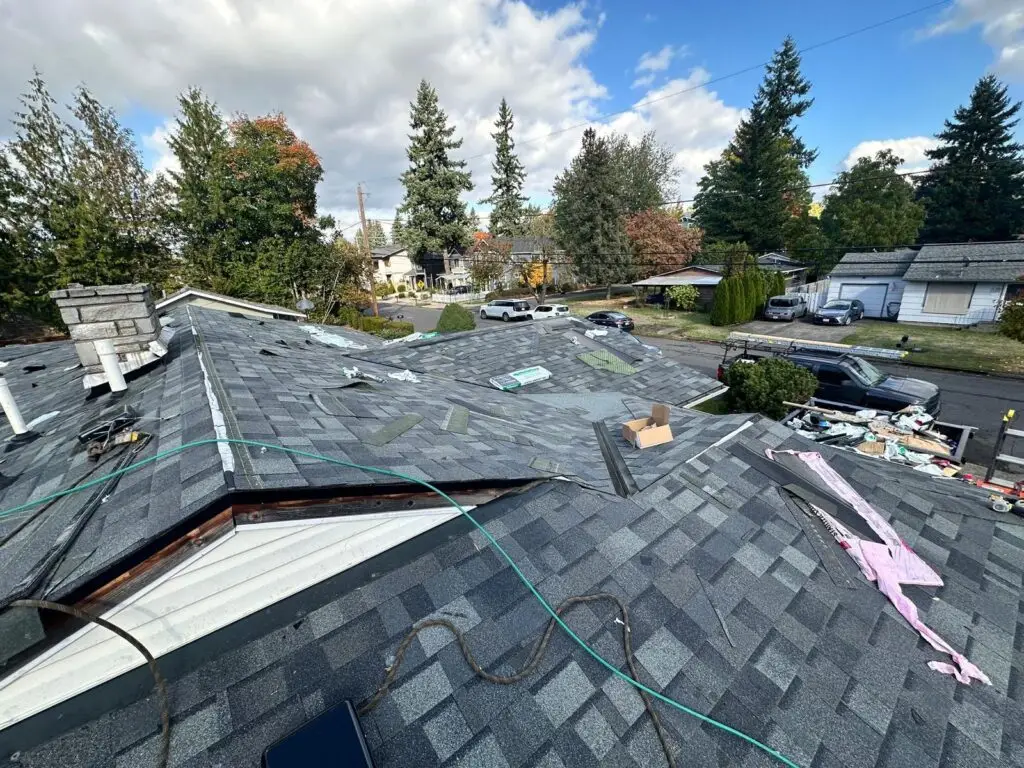
Preventing roof damage is easier and more cost-effective than repairing it. By following best practices, homeowners can reduce the risk of problems and ensure long-term durability.
- Regular inspections help identify issues early
- Proper drainage systems prevent water buildup
- Routine cleaning removes debris and moss
- Timely repairs prevent small problems from worsening
Each roofing type requires specific care. Asphalt shingles need moss prevention, metal roofs require corrosion control, flat roofs depend on proper drainage, and tile roofs need strong underlayment maintenance.
Homeowners who want to maintain their roofs effectively often choose to consult roofing professionals for expert advice. Taking preventive measures ensures that roofs remain strong and reliable.
Conclusion
Diagnosing roof problems before they get worse is one of the most effective ways to protect your home and avoid expensive repairs. Small warning signs, like minor leaks, material wear, or moisture buildup, often indicate deeper issues that can quickly escalate if ignored. By understanding how different roofing systems behave, including asphalt shingles, metal roofing, flat roofs, and tile systems, homeowners can take early action and prevent long-term damage.
A proactive approach makes a significant difference. Regular inspections, combined with timely repairs, help maintain the overall strength and durability of the roof. Many homeowners rely on reliable roof repair solutions to address early-stage problems before they become severe. In situations where unexpected damage appears, having access to quick emergency support can help limit further structural impact.
In some cases, hidden issues may require more detailed evaluation, which is why using advanced leak detection methods can be extremely valuable. For roofing systems that struggle with drainage especially flat roofs applying specialized repair techniques ensures better long-term performance.
Homeowners who stay informed often explore helpful roofing insights to better understand maintenance strategies, while others may look into industry experience to gain confidence in their decisions. When repairs are no longer sufficient, considering long-term roofing upgrades can provide lasting protection.
FAQs
1. How can I tell if my roof has a problem?
You can identify roof problems by looking for signs such as water stains on ceilings, missing shingles, rust on metal roofing, standing water on flat roofs, or cracked tiles. These early warning signs indicate potential damage that should be addressed quickly.
2. What is the most common hidden roof problem?
Moisture buildup is the most common hidden issue. It can develop beneath asphalt shingles, inside flat roof membranes, under tile underlayment, or within metal roofing seams, leading to long-term structural damage if not detected early.
3. How often should I inspect my roof?
Homeowners should inspect their roofs at least once a year and after major storms. Regular inspections help identify issues early before they become costly repairs.
4. Do different roof types show damage differently?
Yes, each roof type shows damage in unique ways. Asphalt shingles may curl or grow moss, metal roofs may show corrosion, flat roofs may develop pooling water, and tile roofs may crack or shift.
5. Can small roof problems become serious?
Yes, even minor issues like small leaks or cracks can worsen over time, leading to significant structural damage, mold growth, and expensive repairs if ignored.
6. What tools are used to diagnose roof problems?
Common tools include moisture meters, infrared cameras, drones, and visual inspection methods. These tools help detect hidden issues that are not visible from the surface.
7. When should I call a professional for a roof inspection?
You should contact a professional when you notice visible damage, suspect leaks, or are unsure about the condition of your roof. Professional inspections provide accurate diagnoses and solutions.
8. Which roof type is hardest to diagnose?
Tile roofs and flat roofs can be more difficult to diagnose because damage is often hidden beneath the surface or within the drainage system.
9. How does weather affect roof damage detection?
Weather conditions such as rain, snow, and temperature changes can reveal or worsen roof problems. Seasonal inspections are important to identify damage caused by weather.
10. What is the best way to prevent roof problems?
Regular maintenance, proper drainage, routine inspections, and timely repairs are the best ways to prevent roof problems and extend the lifespan of your roofing system.