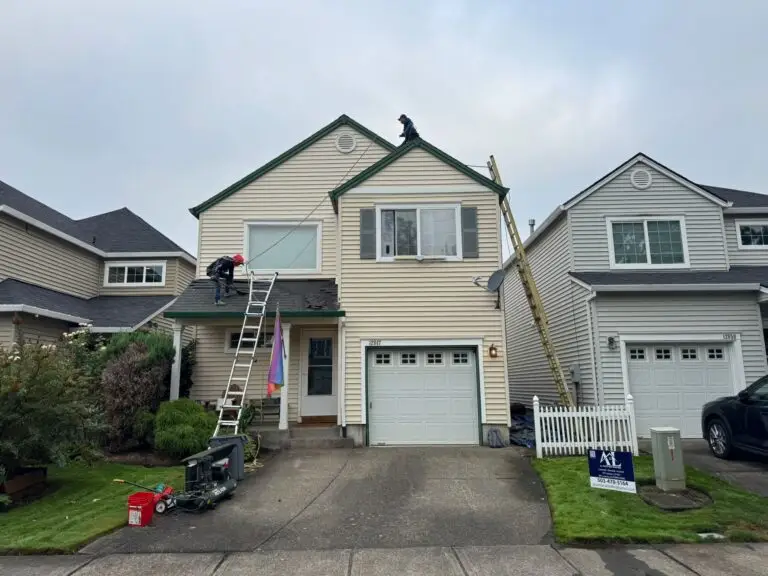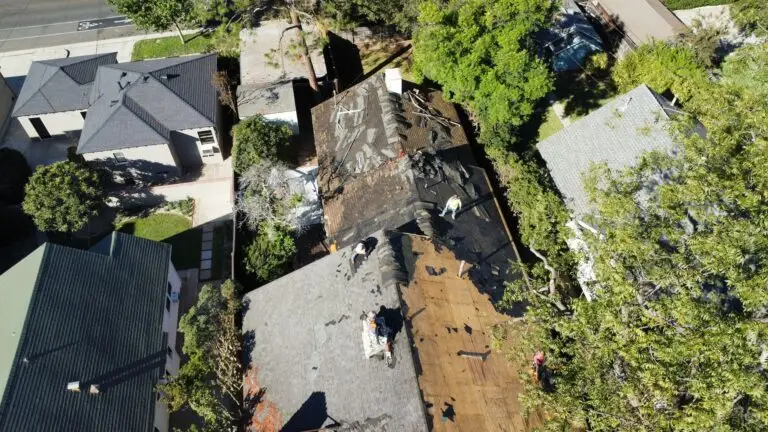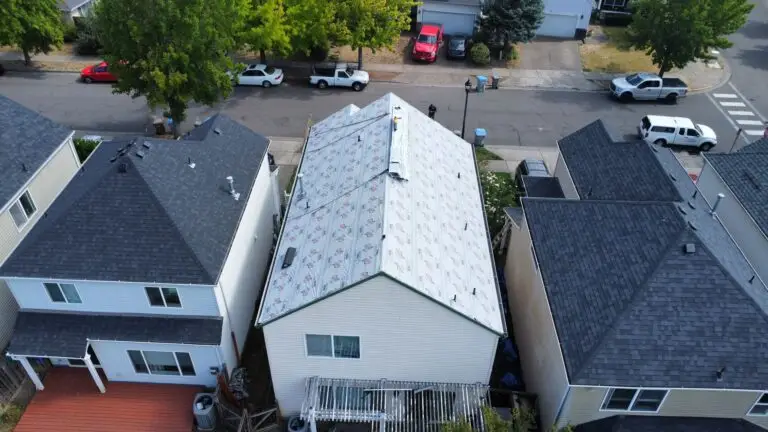
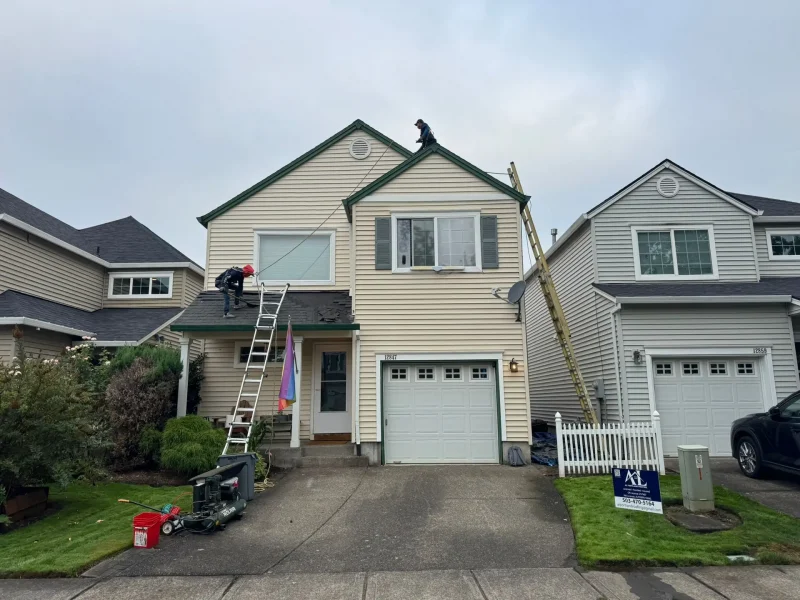
Regular roof maintenance is one of the most effective ways to reduce the need for major repairs and extend the lifespan of any roofing system. Many homeowners only address roofing problems when visible damage appears, but by that point, the issue has often already developed into something more serious and costly. Preventive maintenance allows homeowners to identify small concerns early, ensuring that minor issues do not escalate into structural damage.
Different roofing materials require different maintenance approaches. Asphalt shingles are prone to moss growth and wear over time, metal roofing requires inspection for corrosion and seam integrity, flat roofs need proper drainage management to avoid water accumulation, and tile roofs depend on strong underlayment and proper alignment. Each system benefits from consistent care and early intervention.
By working with experienced roofing professionals, homeowners can ensure that maintenance is performed correctly and tailored to their specific roofing system. Understanding the importance of regular upkeep is the first step toward reducing major repair needs and maintaining a strong, reliable roof.
The Importance of Preventive Roof Maintenance
Preventive maintenance is essential for keeping roofing systems in good condition and avoiding unexpected damage. Instead of waiting for problems to appear, regular inspections and upkeep allow homeowners to detect issues early and address them before they worsen. This approach not only reduces repair costs but also improves the overall durability of the roof.
Asphalt shingles, for example, can develop small cracks or moss buildup that may not seem significant at first but can lead to leaks if ignored. Metal roofing may appear strong, yet early signs of corrosion or loose fasteners can compromise its structure over time. Flat roofs often experience minor drainage issues that can turn into ponding water, while tile roofs may shift slightly, creating openings for moisture infiltration.
Routine maintenance includes cleaning debris, inspecting materials, and checking for signs of wear. These simple actions help maintain the integrity of the roof and prevent long-term damage. When homeowners notice early warning signs, they often rely on quick repair services to address issues before they become severe. Taking a preventive approach ensures that roofing systems remain strong and reliable, reducing the likelihood of major repairs.
Key Maintenance Tasks for Different Roof Types
Each roofing system requires specific maintenance tasks to ensure optimal performance and longevity. Understanding these tasks helps homeowners take the right steps for each material.
- Asphalt shingles require moss removal and inspection for cracks or missing pieces
- Metal roofing needs checks for rust, loose fasteners, and proper sealing
- Flat roofs depend on regular drainage inspection and debris removal
- Tile roofs require checking for cracks, displacement, and underlayment issues
Performing these tasks regularly helps prevent minor issues from developing into major problems. For example, removing moss from asphalt shingles prevents moisture retention, while sealing metal roofing protects against corrosion. Flat roofs benefit from proper drainage maintenance, and tile roofs remain durable when properly aligned.
Maintenance should be performed at least once a year, with additional checks after severe weather. Homeowners who follow these steps often reduce the frequency of repairs and extend the lifespan of their roofs.
When more complex issues are detected, many homeowners turn to professional maintenance services</a> to ensure proper care and long-term performance.
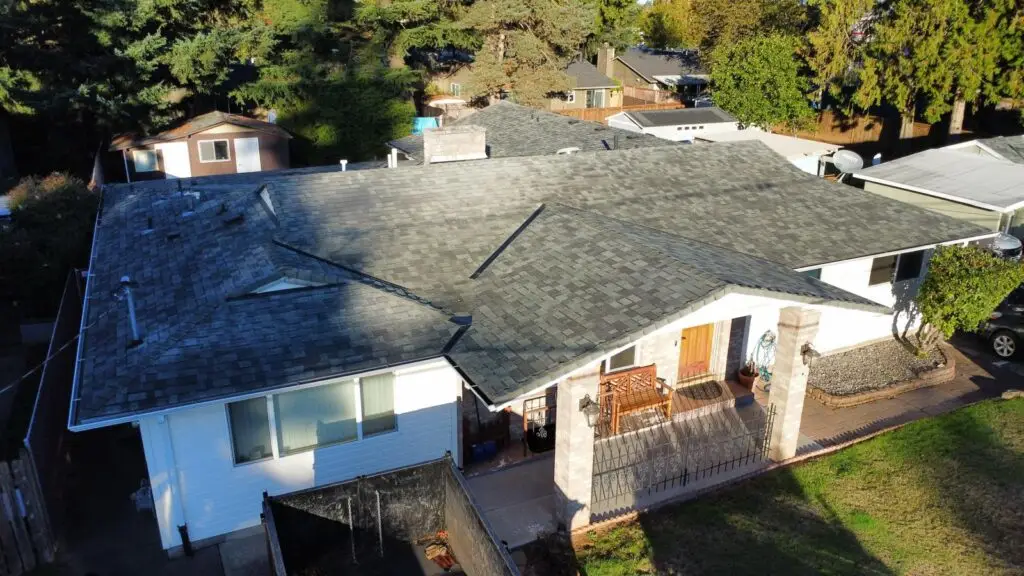
How Small Issues Turn Into Major Repairs
Small roofing issues may seem insignificant at first, but they can quickly escalate into major repairs if not addressed promptly. Understanding how these problems develop helps homeowners take action before damage becomes severe.
A small crack in an asphalt shingle can allow water to seep in, leading to leaks and structural damage. Minor corrosion on a metal roof can spread and weaken the entire system. Flat roofs with slight drainage issues can develop ponding water, which increases pressure and leads to leaks. Tile roofs with a single displaced tile can expose the underlayment to moisture, causing hidden damage.
These problems often start unnoticed and worsen over time. By the time visible damage appears, repairs may already be extensive and costly. Early detection is critical for preventing this progression.
Homeowners who notice early signs of damage often rely on advanced inspection techniques to identify hidden issues. Addressing small problems early is the key to avoiding major repairs and maintaining roof integrity.
Benefits of Regular Roof Inspections
Regular roof inspections provide valuable insights into the condition of the roofing system and help identify potential problems before they worsen.
- Early detection prevents costly repairs
- Routine checks improve roof lifespan
- Inspections help maintain structural integrity
- Timely repairs reduce long-term maintenance costs
Inspections allow homeowners to monitor the condition of asphalt shingles, metal roofing, flat roofs, and tile systems. By identifying issues early, homeowners can take corrective action before damage spreads. For example, detecting rust early on a metal roof prevents corrosion from weakening the structure, while identifying drainage issues on a flat roof prevents ponding water.
Professional inspections are particularly useful for detecting hidden issues that are not visible during a basic check. Homeowners often rely on inspection services to ensure thorough evaluation and accurate diagnosis. Regular inspections are a key component of preventive maintenance and play a crucial role in reducing major repair needs.
Seasonal Maintenance and Its Impact
Seasonal maintenance is an important part of keeping a roof in good condition throughout the year. Different seasons present different challenges, and addressing these challenges proactively helps prevent damage.
During spring, homeowners should inspect for damage caused by winter weather. Summer is ideal for repairs due to dry conditions. Fall requires preparation for heavy rain, including cleaning gutters and ensuring proper drainage. Winter focuses on monitoring for leaks and addressing emergency issues.
Each roofing type reacts differently to seasonal changes. Asphalt shingles may become brittle in cold weather, metal roofs expand and contract, flat roofs are prone to water accumulation during rainy seasons, and tile roofs may crack due to temperature fluctuations.
By following a seasonal maintenance routine, homeowners can address issues before they worsen. Many homeowners rely on emergency repair services during extreme conditions to prevent further damage. Seasonal care ensures that roofs remain durable and capable of withstanding environmental challenges.
Cost Savings from Preventive Maintenance
One of the biggest advantages of regular roof maintenance is the potential for significant cost savings. Preventive care reduces the need for major repairs and helps homeowners avoid unexpected expenses.
- Fixing small issues is less expensive than major repairs
- Regular maintenance extends the roof’s lifespan
- Preventing damage reduces emergency repair costs
- Well-maintained roofs improve energy efficiency
For example, repairing a minor leak in an asphalt roof is far cheaper than replacing large sections of damaged shingles. Addressing corrosion early on a metal roof prevents structural damage, while maintaining proper drainage on flat roofs reduces the risk of costly leaks. Tile roofs also benefit from early maintenance, as small cracks can be repaired before they lead to underlayment damage.
Homeowners who invest in maintenance often experience fewer repairs and lower overall costs. Many rely on preventive repair solutions to keep their roofs in optimal condition.
Long-Term Benefits of Consistent Roof Care
Consistent roof care provides long-term benefits that go beyond reducing repair needs. It improves durability, enhances performance, and ensures that the roof remains reliable over time.
A well-maintained roof protects the home from environmental damage, improves insulation, and increases property value. Asphalt shingles last longer when properly maintained, metal roofs retain their strength with regular inspections, flat roofs remain leak-free with proper drainage, and tile roofs maintain their structural integrity with consistent care.
Homeowners who stay informed often explore roofing resources to learn about maintenance strategies and best practices. By investing in consistent care, homeowners can extend the lifespan of their roofs and avoid major repairs.
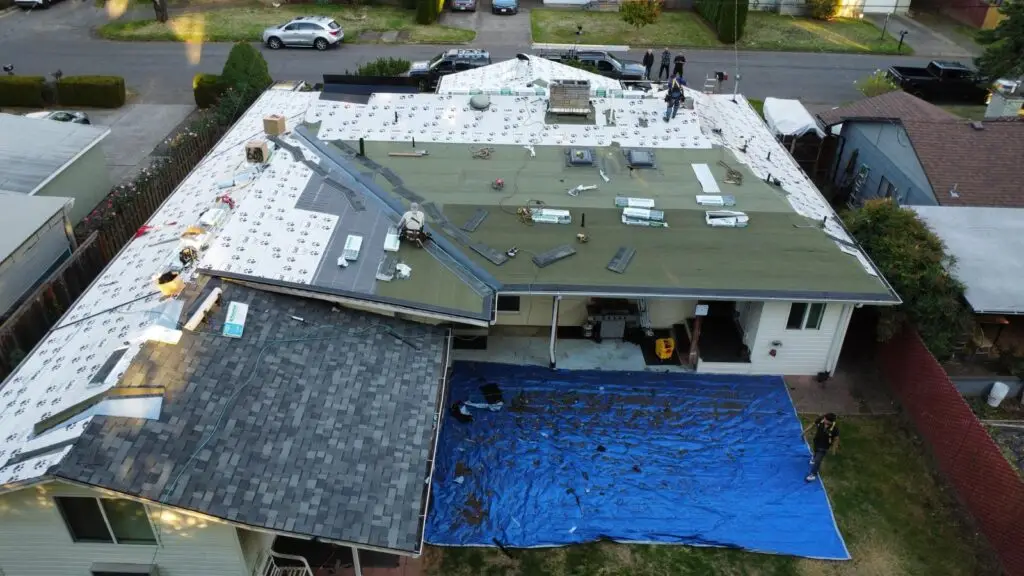
Choosing the Right Maintenance Approach
Selecting the right maintenance approach is essential for ensuring long-term roof performance. Each roofing system requires a tailored strategy based on its material and condition.
- Evaluate the current condition of the roof regularly
- Follow a maintenance schedule based on roofing type
- Address issues as soon as they are detected
- Work with professionals for complex repairs
Asphalt shingles require regular cleaning and inspection, metal roofing needs sealing and corrosion prevention, flat roofs depend on proper drainage maintenance, and tile roofs require structural checks. By understanding these needs, homeowners can create an effective maintenance plan.
When unsure, homeowners often choose to consult roofing experts to ensure the best approach. A well-planned maintenance strategy helps reduce repair needs and ensures long-term durability.
Conclusion
Regular roof maintenance plays a critical role in reducing major repair needs and ensuring long-term durability. By addressing small issues early, homeowners can prevent costly damage and maintain the performance of their roofing systems. Taking a proactive approach helps extend the life of asphalt shingles, metal roofing, flat roofs, and tile systems. Homeowners who rely on trusted maintenance solutions can effectively manage wear and tear, while access to emergency services ensures quick action when unexpected issues arise. Identifying hidden problems through inspection techniques allows for early intervention, and in some cases, exploring long-term upgrades may provide better protection. Homeowners can also stay informed by reviewing roofing insights or learning from industry experience, and when needed, they can connect with professionals to ensure their roof remains strong and reliable.
FAQs
1. Why is roof maintenance important?
It prevents small issues from becoming major repairs.
2. How often should maintenance be done?
At least once a year.
3. Does maintenance reduce costs?
Yes, it prevents expensive repairs.
4. Which roofs need the most care?
Flat roofs due to drainage issues.
5. Can maintenance extend roof life?
Yes, significantly.
6. Do metal roofs need maintenance?
Yes, especially for rust prevention.
7. What about shingles?
They need moss removal and inspection.
8. Are inspections necessary?
Yes, for early detection.
9. Can small leaks be ignored?
No, they worsen over time.
10. Best way to maintain roof?
Regular inspection and timely repairs.