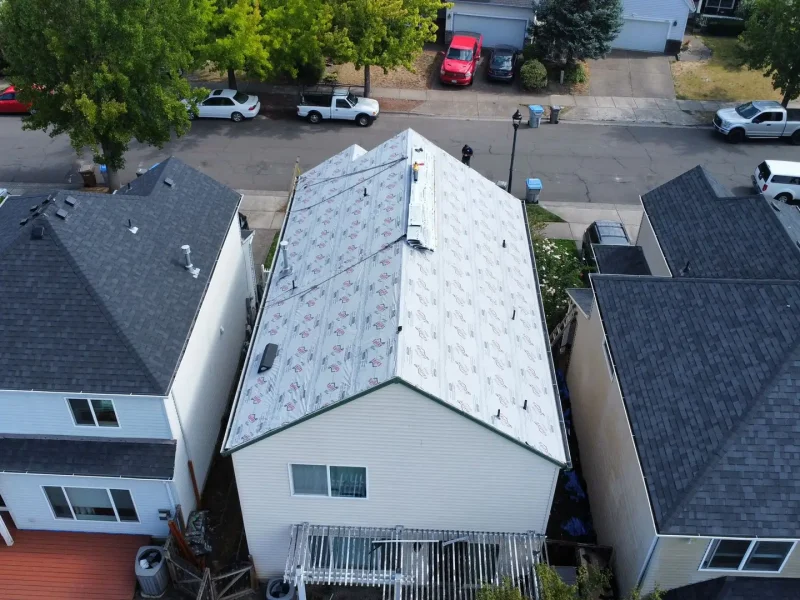
Roof repair solutions are essential for maintaining the durability and performance of any roofing system, especially when dealing with drainage problems, ponding water, and membrane-related issues. These challenges are particularly common in regions with frequent rainfall, where water management becomes a critical factor in roof longevity. When water is not properly directed away from the roof, it can lead to structural damage, leaks, and costly repairs.
Each roofing type responds differently to these issues. Asphalt shingles can trap moisture if drainage is poor, metal roofing may develop corrosion where water accumulates, flat roofs are highly vulnerable to ponding water due to their low slope, and tile roofs can allow water to seep beneath the surface if drainage is compromised. Understanding how these systems behave helps homeowners choose the right repair solutions.
Homeowners who rely on professional roof repair services can address these problems effectively and ensure long-term protection. By focusing on drainage and moisture control, it is possible to extend the life of the roof and prevent recurring issues.
Understanding Roof Drainage Problems
Roof drainage problems are one of the most common causes of roofing damage, especially in areas with consistent rainfall. Proper drainage ensures that water flows away from the roof efficiently, preventing accumulation that can weaken materials and lead to leaks. When drainage systems fail, water can remain on the surface, increasing the risk of long-term damage.
Different roofing materials react differently to poor drainage. Asphalt shingles may absorb moisture and deteriorate over time, while metal roofing can experience rust in areas where water collects. Flat roofs are particularly vulnerable because they rely heavily on drainage systems to prevent water pooling. Tile roofs, although durable, can allow water to seep underneath if drainage is not properly maintained.
Over time, blocked gutters, improper slope, or damaged drainage components can worsen the problem. Homeowners should regularly inspect their roofs to ensure that water is flowing correctly and not accumulating in certain areas. When drainage issues become severe, many homeowners turn to emergency repair solutions to prevent further structural damage and maintain roof integrity.
Causes of Ponding Water on Roofs
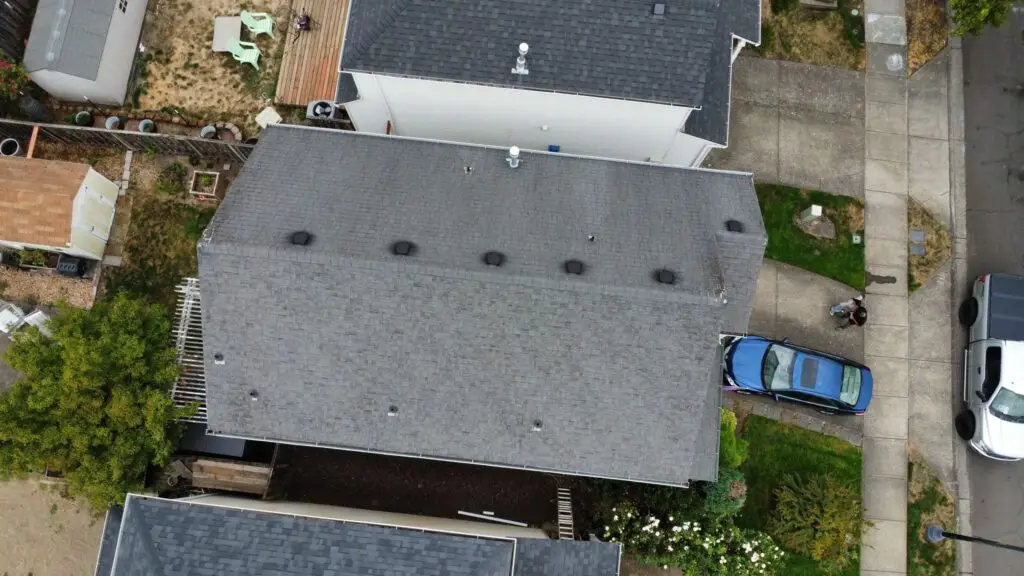
Ponding water occurs when water remains on a roof surface for extended periods, typically more than 48 hours after rainfall. This issue is most common on flat roofs, but it can also affect other roofing systems if drainage is inadequate.
- Poor roof slope prevents water from draining properly
- Clogged gutters and drains block water flow
- Damaged or aging roofing materials create uneven surfaces
- Improper installation leads to low spots where water collects
Ponding water can cause significant damage if not addressed quickly. On asphalt roofs, it accelerates wear and weakens shingles. On metal roofs, it increases the risk of corrosion. Flat roofs are the most affected, as standing water can damage the membrane and lead to leaks. Tile roofs may also suffer if water penetrates beneath the surface.
Addressing ponding water requires identifying the root cause and implementing proper drainage solutions. Homeowners often rely on flat roof repair servicesto improve slope and eliminate water accumulation. Preventing ponding water is essential for maintaining roof performance and avoiding costly repairs.
Membrane Issues in Roofing Systems
Roof membranes play a critical role in protecting the underlying structure from moisture. These membranes act as a barrier that prevents water from penetrating the roof. However, over time, they can develop issues such as cracks, tears, or separation, which compromise their effectiveness.
Membrane problems are most common in flat roofing systems, where they are exposed directly to environmental conditions. Continuous exposure to water, temperature changes, and UV rays can weaken the membrane, leading to leaks. Asphalt shingles rely on layers for protection, metal roofs depend on sealed seams, and tile roofs use underlayment as a protective barrier.
When membrane issues occur, they can allow water to enter the roof structure, causing hidden damage that may not be immediately visible. Early detection is crucial to prevent further deterioration.
Homeowners often use advanced leak detection methods to identify membrane problems and address them before they worsen. Proper maintenance and timely repairs help ensure that membranes remain effective in protecting the roof.
Effective Solutions for Roof Drainage Problems
Addressing drainage problems requires a combination of proper design, maintenance, and repair techniques. Effective solutions ensure that water flows away from the roof efficiently, reducing the risk of damage.
- Installing proper drainage systems improves water flow
- Cleaning gutters and downspouts prevents blockages
- Adjusting the roof slope eliminates low spots
- Repairing damaged materials ensures consistent drainage
Each roofing type requires a tailored approach. Asphalt shingles benefit from proper gutter maintenance, metal roofs require sealing around drainage areas, flat roofs need advanced drainage systems, and tile roofs depend on proper alignment to ensure water flow.
Implementing these solutions helps prevent water accumulation and extends the lifespan of the roof. Homeowners who invest in proper drainage systems often experience fewer repairs and better overall performance.
For complex issues, homeowners may rely on professional repair services to ensure that drainage problems are resolved effectively and permanently.
Repairing Ponding Water Damage
Repairing damage caused by ponding water involves more than just removing standing water. It requires addressing the underlying issues that caused the problem in the first place.
- Reinforcing the roof structure to support proper drainage
- Replacing damaged roofing materials affected by water exposure
- Sealing vulnerable areas to prevent leaks
- Improving drainage systems to eliminate water accumulation
Flat roofs often require membrane repairs or replacement, while asphalt roofs may need shingle replacement. Metal roofs may require rust treatment, and tile roofs may need underlayment repairs. Each solution must be tailored to the specific roofing system.
Ignoring ponding water damage can lead to structural issues and increased repair costs. Homeowners should address these problems as soon as they are detected to prevent further damage.
Many homeowners turn to specialized repair solutions to ensure that ponding water issues are resolved effectively. Proper repairs help restore roof performance and prevent future problems.
Preventing Membrane Failures
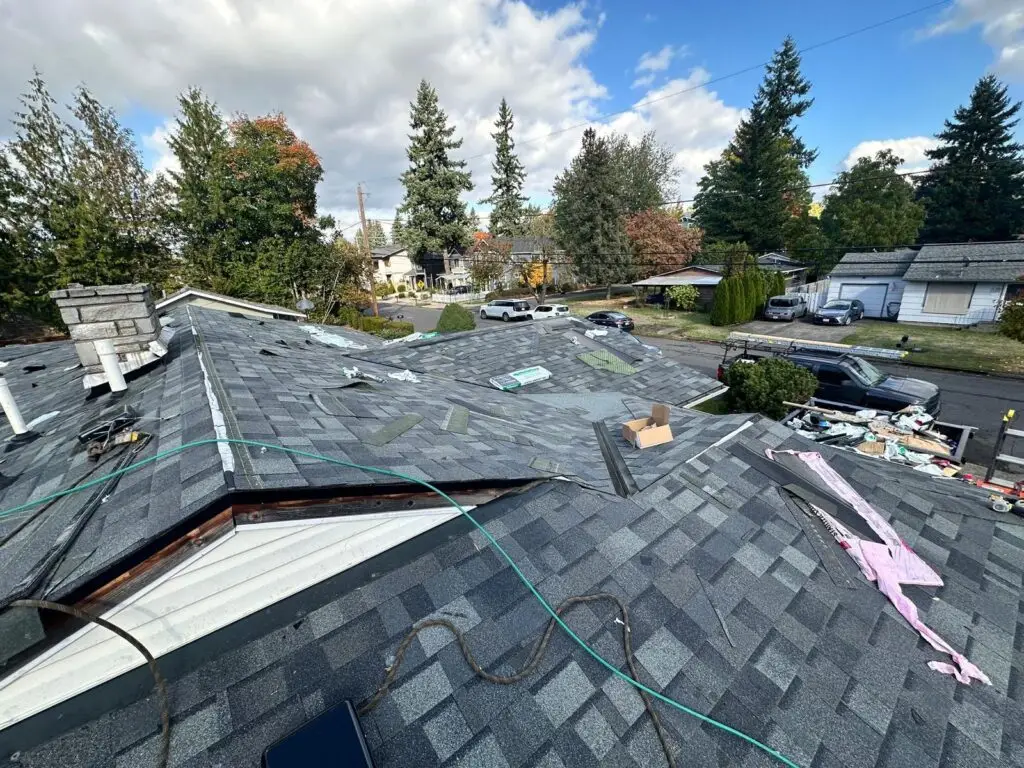
Preventing membrane failures is essential for maintaining the integrity of roofing systems. Regular maintenance and proactive care can significantly reduce the risk of damage.
- Routine inspections help identify early signs of wear
- Proper sealing prevents water infiltration
- Protective coatings extend membrane lifespan
- Timely repairs prevent small issues from worsening
Each roofing type requires specific preventive measures. Asphalt shingles need regular inspection, metal roofs require sealing, flat roofs depend on membrane maintenance, and tile roofs rely on strong underlayment.
By taking preventive measures, homeowners can avoid costly repairs and ensure long-term durability. Regular maintenance helps identify issues early and prevents them from becoming major problems. Homeowners who want expert guidance often choose to consult roofing professionals for maintenance strategies and long-term solutions.
Long-Term Benefits of Proper Roof Repair Solutions
Proper roof repair solutions provide long-term benefits that go beyond immediate fixes. By addressing drainage, ponding water, and membrane issues effectively, homeowners can extend the lifespan of their roofs and improve overall performance.
Asphalt shingles last longer when protected from moisture, metal roofs maintain durability with proper drainage, flat roofs remain leak-free with strong membranes, and tile roofs retain their strength with proper underlayment care. These benefits highlight the importance of using targeted repair solutions.
Investing in proper repair methods reduces maintenance costs and improves energy efficiency. Homeowners who stay informed often explore roofing resources to better understand maintenance strategies and best practices. By focusing on long-term solutions, homeowners can ensure that their roofing systems remain strong, reliable, and capable of withstanding environmental challenges.
Conclusion
Roof repair solutions focused on drainage, ponding water, and membrane issues are essential for maintaining a strong and durable roofing system. These problems can affect all roofing types, whether asphalt shingles, metal roofing, flat roofs, or tile systems, each requiring a tailored approach to ensure proper performance and long-term protection.
Homeowners who address drainage concerns early often rely on reliable repair solutions, while sudden issues caused by heavy rainfall may require quick-response services to prevent further damage. For flat roofing systems dealing with water accumulation, applying specialized drainage solutions can significantly improve performance.
Identifying hidden issues through inspection techniques ensures that membrane damage is addressed early, while exploring long-term roofing upgrades may provide better durability in some cases. Homeowners can also gain valuable insights from roofing guides or learn more about industry expertise and when needed, they can connect with professionals to ensure the right solution is applied.
FAQs
1. What causes drainage issues on roofs?
Clogged gutters, poor slope, and improper installation.
2. Why is ponding water dangerous?
It weakens materials and causes leaks.
3. Which roofs are most affected?
Flat roofs are most vulnerable.
4. What is a roof membrane?
A protective layer preventing water infiltration.
5. How to fix ponding water?
Improve drainage and repair low spots.
6. Can drainage issues damage shingles?
Yes, moisture weakens asphalt shingles.
7. Do metal roofs have drainage problems?
Yes, if water accumulates at seams.
8. How often check drainage?
At least once a year.
9. Are membrane repairs expensive?
Depends on damage severity.
10. Best prevention method?
Regular maintenance and inspections.