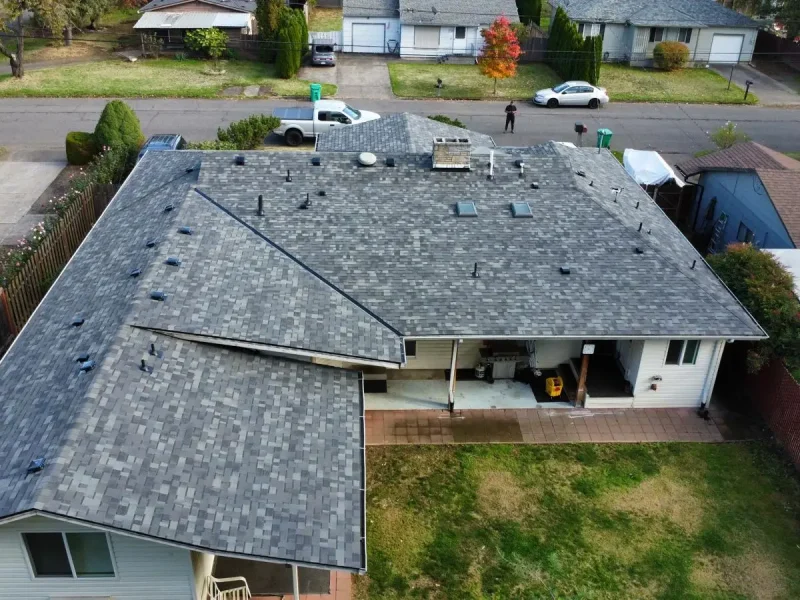
In the 2026 Portland residential maintenance sector, the transition into the rainy season is no longer viewed as a passive change in weather but as a high-stakes stress test for a home building envelope. The Pacific Northwest presents a unique set of atmospheric challenges, including persistent low-intensity saturation and high-velocity wind-driven rain and an aggressive biological load. A roofing system that functions adequately in a drier climate will often fail under the hydraulic pressure of a typical Oregon winter. At A&L Portland Roofing, we approach leak prevention through a lens of preventative engineering rather than reactive patching. By understanding the mechanical pathways through which water infiltrates a structure, homeowners can implement a defense strategy that prioritizes longevity and structural safety. This guide provides a deep technical analysis of how to fortify your residence before the first major atmospheric river event of 2026.
Hydraulic Management and the Engineering of Gutter Velocity
The most critical technical component in preventing a roof leak is the management of water volume and velocity at the eaves. In the Portland area, gutters are frequently overwhelmed by a combination of organic debris and high-intensity rainfall. From a mechanical standpoint, a clogged gutter creates a water dam effect where the rising water level reaches the top of the fascia board and seeps behind the drip edge. Once water enters this space,e it bypasses the primary shingle layer and begins to rot the structural roof deck and soffit assemblies. A professional roof maintenance protocol ensures that gutters are not only clear of debris but are also technically pitched to maintain a specific flow rate. We verify that hangers are spaced to handle the weight of water-saturated needles and that downspout discharge is sufficient to prevent hydraulic back-up during the 2026 storm cycles.
- Drip Edge Verification: We ensure that the metal drip edge is properly lapped into the gutter to prevent capillary action from drawing water into the fascia wood.
- Structural Pitch Calibration: Our technicians use digital levels to verify that gutters have a minimum slope of 1/4 inch per 10 feet to ensure rapid drainage.
- High-Volume Downspout Analysis: We calculate the required drainage capacity based on your roof’s square footage to prevent overflow during peak precipitation events.
Pro-Tip: During a heavy rainstorm, perform a perimeter check of your home. If you see water cascading over the front of the gutter or leaking from the joint, it is a technical sign that your drainage system has failed its capacity test. This localized flooding puts immense pressure on your foundation and roof edge, and you should contact A&L Portland Roofing for a professional roof repair of your drainage geometry.
Mitigating Capillary Action and Surface Tension at Roof Penetrations
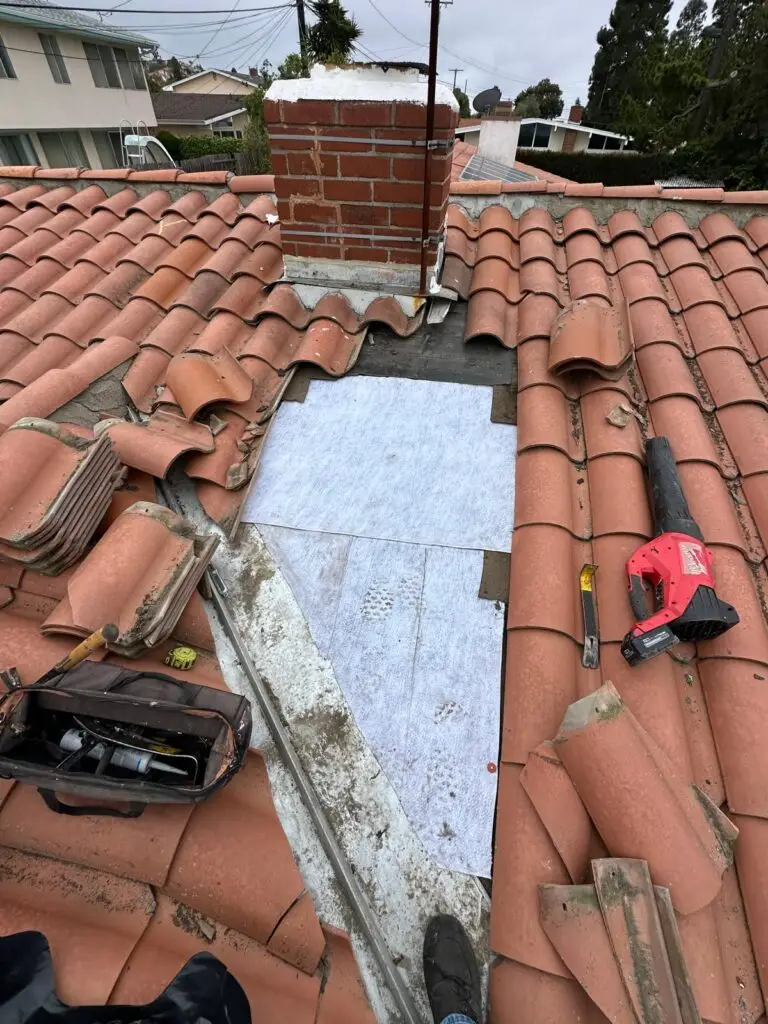
Water intrusion in Portland rarely occurs through a hole in a shingle; instead, it happens through the failure of seals at penetration points via capillary action. Areas such as chimneys, plumbing vents, and skylights create breaks in the roof plane that rely on metal flashing and high-performance sealants. Technically, surface tension allows water to climb upward under loose flashing during windy storms. In 2026, we utilize advanced thermoplastic sealants and multi-layered flashing systems to break this surface tension. By ensuring that every vent boot and chimney cricket is technically integrated with the surrounding shingle,s we create a redundant barrier that prevents wind-driven rain from being forced into the attic.
Biological Load Management and the Prevention of Shingle Uplift
The damp and shaded environment of Portland is a primary breeding ground for moss and lichen, which are active agents in roof degradation. Moss is not merely an aesthetic issue; it is a mechanical hazard that retains moisture and physically lifts the edges of shingles. Once a shingle is lifted, its thermal sealant bond is broken, making it vulnerable to wind-peel during winter storms. From an engineering perspective, moss acts as a sponge that keeps the roofing material in a state of constant saturation, which leads to the breakdown of the asphalt bitumen. Our technical approach involves the application of eco-friendly biological inhibitors and the installation of zinc or copper strips. These metals release ions during rain events that neutralize spores and prevent the growth of the organic dams that cause water to back up under the roofing underlayment.
- Moss Anchor Point Neutralization: We use low-pressure chemical washes to dissolve the root structures that etch into the shingle surface.
- Sealant Bond Restoration: After biological growth is removed, we inspect and hand-seal any shingles that have been permanently lifted by moss expansion.
- Atmospheric Moisture Barriers: We recommend high-performance synthetic underlayments that provide a secondary waterproof skin even if the primary shingles are compromised.
Pro-Tip: If you see dark streaks or green patches on your roof, avoid the temptation to use a high-pressure power washer. High pressure will strip the protective ceramic granules from your shingles and drastically reduce their lifespan. Instead, use a technical soft-wash system or consult with a local roofing expert in Portland to safely remove the biological load without damaging the mechanical integrity of the roof.
Attic Thermodynamics and the Prevention of Interior Condensation
A significant number of reported roof leaks in Portland are actually the result of poor attic thermodynamics and condensation. When warm and moist air from the home is trapped in the attic, it condenses on the cold underside of the roof deck during the winter. Technically, this moisture creates false leaks that drip onto insulation and ceilings. A professional roof replacement or maintenance project must include a balance of intake and exhaust ventilation. By ensuring that your ridge vents and soffit vents are unobstructed, we allow the attic to stay within a few degrees of the outdoor temperature. This technical balance prevents the internal moisture accumulation that mimics a leak and protects your structural rafters from the long-term threat of dry rot.
The Strategic Value of Technical Documentation and Warranty Protection
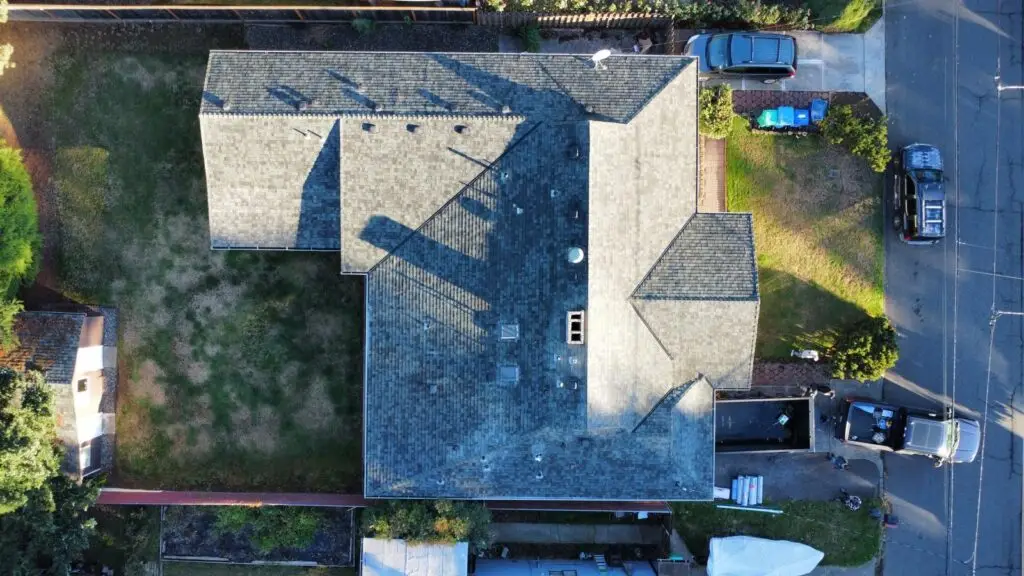
In 2026, maintaining a watertight roof is an essential part of your home’s financial security. Many insurance providers in the Pacific Northwest now require proof of professional maintenance to validate claims for water damage. By partnering with A&L Portland Roofing, you receive a detailed technical report of your roof’s condition and the preventative measures taken. This documentation serves as a safety certification for your property. Furthermore, professional repairs and maintenance ensure that your manufacturer’s warranty remains in effect, providing a layer of financial protection that DIY patches cannot offer. Investing in technical oversight today ensures that your Portland residence remains a high-value and high-security asset through the most demanding rainy seasons.
Conclusion
Leak prevention in the 2026 Portland rainy season is a technical challenge that requires a proactive and engineering-based mindset. By focusing on the mechanics of gutter velocity and the integrity of flashing seals and the management of biological growth, you can build a resilient defense against the Oregon climate. Modern roofing science has provided the tools and materials necessary to keep even the most vulnerable structures dry, but these systems require regular professional calibration. At A&L Portland Roofing,g we are committed to providing the technical expertise and high-quality service needed to safeguard your home. Do not wait for the rain to expose a weakness in your building envelope; invest in a professional maintenance strategy today to ensure your roof remains a high-performance barrier for years to come.
Transforming your home’s weather resistance begins with professional expertise. To learn more about the latest roofing standards and maintenance innovations in the North Carolina area, you can explore our comprehensive articles and roofing guides for local inspiration. If your residence is ready for a professional and highly technical maintenance assessment, securing expert consultation and a professional project estimate is the most effective way to ensure a high-performance experience. You can view our history of professional service and client satisfaction to see how we have served homes across the Portland region for years. At A&L Portland Roofing, we offer tailored residential roofing solutions designed to meet the unique mechanical needs of Oregon properties. We are dedicated to helping you create a space that balances modern efficiency with the highest quality Portland roofing standards your residence deserves.
FAQ
Why does my roof only leak during heavy Portland rain?
Heavy rain increases the hydraulic pressure on your roof, forcing water into micro-cracks or gaps in flashing that are typically bypassed during light showers.
Can a clogged gutter cause water to leak into my attic?
Yes. When water backs up in the gutter, it can rise above the drip edge and seep into the fascia and roof deck, eventually finding a path into the attic.
How does moss growth lead to roof leaks?
Moss holds moisture like a sponge against the shingles and can physically lift the shingle edge,s allowing wind-driven rain to blow underneath them.
What is a shiner nail in the attic?
A shiner is a nail that missed the rafter and stays cold in the winter, causing frost to form. When it thaws, it drips water and looks like a roof leak.
Is it worth repairing a 20-year-old roof in Portland?
If the damage is localized, a roof repair can help, but if the shingles are brittle and losing granules, a roof replacement is the better long-term investment.
Does your company offer commercial leak prevention?
Yes. We provide commercial roofing maintenance and leak detection for businesses and industrial properties throughout Portland.
What are the signs of a failing chimney flashing?
Signs include water stains on the ceiling near the fireplace or dampness inside the firebox after a heavy rainstorm.
How often should I have my roof cleaned?
In the Pacific Northwest, we recommend a professional technical cleaning every 1 to 2 years to prevent biological growth and debris accumulation.
Will better attic ventilation prevent leaks?
It will prevent false leaks caused by condensation and will help keep your roof deck dry ,which prevents rot and shingle degradation.
What should I do if my roof starts leaking during a storm?
Try to collect the water in a bucket and move valuables. Contact a professional like A&L Portland Roofing for a technical emergency tarping service until the rain stops.