Portland weather can change quickly. A calm afternoon can turn into heavy rain and gusting wind within hours. When storms hit, your roof is the first line of defense. Strong wind can lift shingles, wind-driven rain can penetrate flashing, and falling debris can puncture roofing materials. Many homeowners do not realize damage has occurred until water stains appear on ceilings or insulation becomes saturated. Fast action after storm damage can prevent minor issues from becoming structural repairs. Roof repair in Portland requires a climate-specific approach because moisture often lingers long after rainfall stops. Understanding how storm, wind, and rain damage affects your roof helps you respond quickly and choose the right repair solution. This guide explains how to identify storm-related roof damage, what immediate steps to take, and how professional repairs restore long-term protection.
How Storms Damage Roofs in Portland
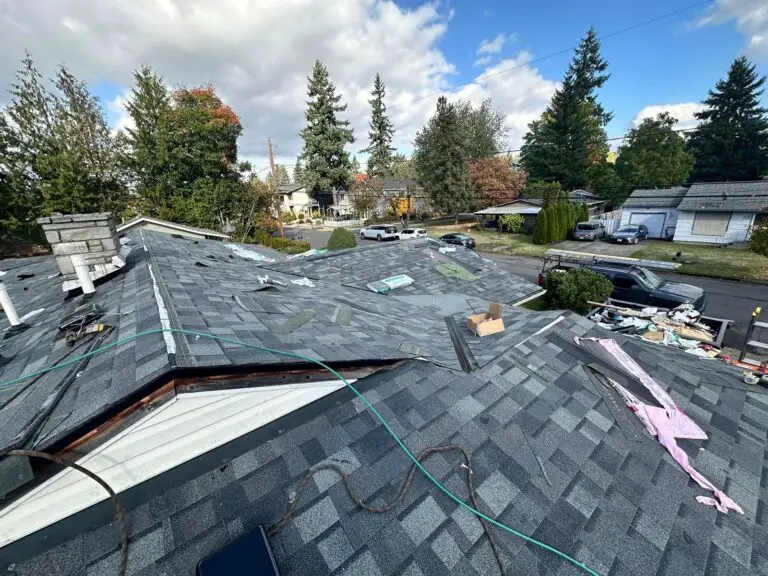
Storm systems in Portland often combine wind, prolonged rain, and debris impact. Each element affects roofing materials differently. Wind uplift can loosen shingles, exposing underlayment to moisture. Heavy rain can force water beneath flashing and into valleys where runoff is concentrated. Fallen branches may crack shingles or damage structural decking.
Portland’s wet climate increases the risk of hidden moisture problems after storms. Even small gaps in flashing can allow water to seep into attic insulation and wooden supports. Moss growth, already common in shaded areas, can worsen when storm debris accumulates.
Homeowners who understand regional storm patterns are better prepared to detect early warning signs. Reviewing roof repair services helps clarify how professional repair addresses both surface damage and underlying moisture risks. Early assessment prevents minor storm damage from spreading.
Signs Your Roof Has Storm or Wind Damage
Not all storm damage is immediately obvious. Some issues remain hidden until the next heavy rain exposes vulnerabilities. After a wind or rain event, homeowners should inspect visible roof areas from the ground and check interior ceilings.
Common warning signs include:
- Missing or lifted shingles
- Granule loss is visible in gutters
- Bent or detached flashing
- Debris accumulation in valleys
- Water stains on ceilings or attic insulation
- Damp or musty attic odors
Wind damage often appears near roof edges and ridges where pressure is strongest. Rain damage may show around chimneys, skylights, and vent penetrations. If leaks appear unexpectedly, a detailed evaluation such as roof leak detection and repair services can help identify the true entry point before repairs begin.
Why Immediate Action Matters After Rain Damage
Delaying repairs after storm damage can significantly increase costs. Water intrusion rarely stays confined to one location. Moisture can travel along rafters and insulation, leading to structural weakening and potential mold growth.
Portland’s frequent rainfall means damaged areas are repeatedly exposed to moisture. Small cracks or loose shingles may not seem urgent, but ongoing rain can saturate decking and require more extensive repair.
Prompt action offers several benefits:
- Limits interior water damage
- Prevents insulation deterioration
- Reduces risk of mold development
- Keeps the repair scope localized
- Protects warranty coverage
According to industry best practices from the National Roofing Contractors Association, timely roof inspection after storms is essential for preserving structural integrity. Acting quickly can prevent emergency conditions later.
Emergency Roof Repair and Temporary Protection
When active leaks occur during or immediately after a storm, emergency stabilization may be necessary. Emergency roof repair focuses on stopping further water intrusion until permanent repairs can be completed safely.
Emergency services often include:
- Installing temporary tarps over exposed areas
- Securing loose shingles or flashing
- Removing hazardous debris
- Documenting damage for insurance purposes
- Scheduling follow-up permanent repairs
Understanding what emergency response covers helps homeowners set realistic expectations. Reviewing emergency roof repair services provides insight into how urgent storm situations are handled. Temporary stabilization protects the interior while allowing time for a full inspection once weather conditions improve.
The Roof Repair Process After Storm Damage
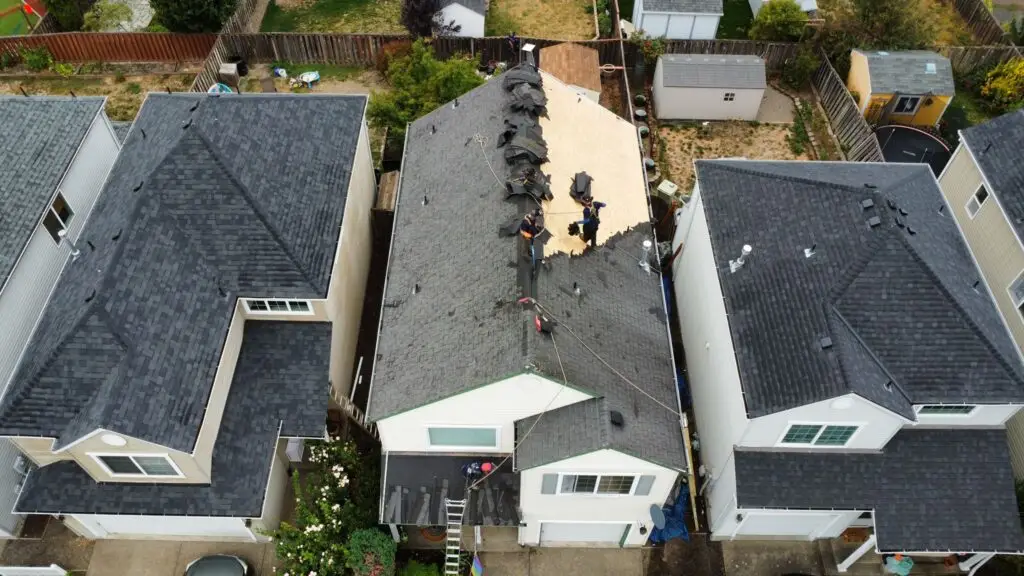
Professional roof repair after storm damage begins with a thorough inspection. Contractors assess shingles, flashing, underlayment, decking, and ventilation systems. The goal is to determine whether damage is localized or widespread.
Typical storm damage repair steps include:
- Removing damaged shingles and replacing them with matching materials
- Reinforcing flashing at vulnerable transitions
- Repairing or replacing compromised decking
- Installing new underlayment in affected areas
- Ensuring ventilation pathways remain clear
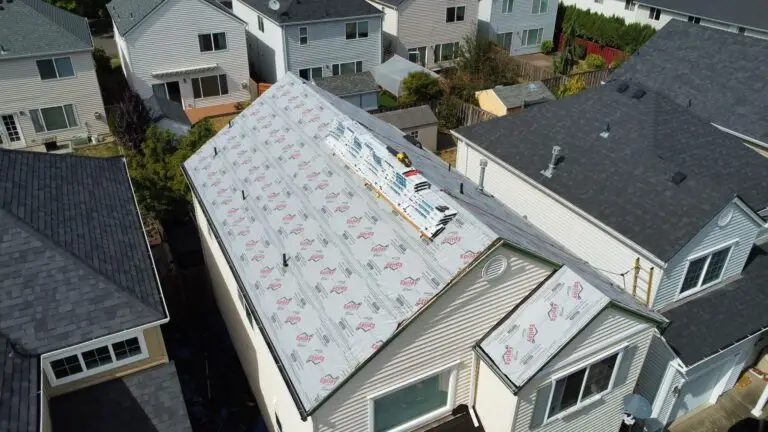
If storm damage reveals aging materials near the end of their lifespan, homeowners may consider broader replacement. Reviewing new roof installation options can help evaluate whether repair or replacement offers better long-term value. Professional repairs restore waterproofing integrity and protect the home from future storms.
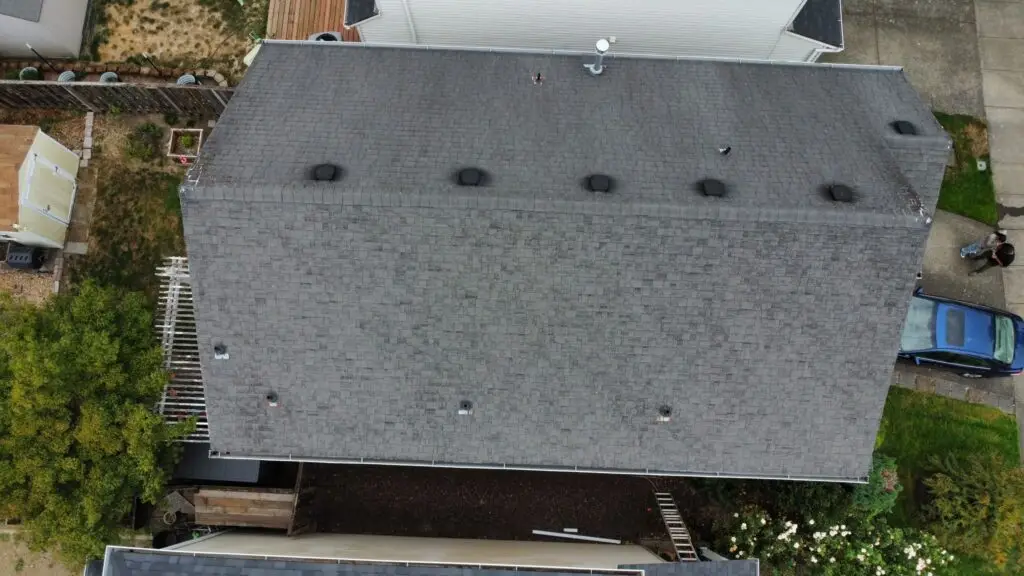
Preventing Future Wind and Rain Damage
While no roof is immune to severe weather, preventative maintenance reduces the likelihood of extensive damage. Portland homeowners benefit from proactive inspections before and after storm seasons.
Effective preventative measures include:
- Annual roof inspections
- Clearing gutters and downspouts regularly
- Trimming overhanging branches
- Checking attic ventilation performance
- Addressing minor leaks immediately
The Federal Emergency Management Agency emphasizes proactive roof maintenance as part of overall home resilience planning. Routine inspections identify weak flashing or worn shingles before heavy rain exploits them. Staying informed through roofing blog resources helps homeowners prepare for seasonal weather changes. Preventative care is often far less expensive than emergency repair.
Conclusion
Roof repair in Portland following storm, wind, and rain damage requires a fast response and thorough evaluation. Portland’s wet climate makes moisture management critical, and even small vulnerabilities can expand quickly under repeated rainfall. Identifying missing shingles, damaged flashing, and hidden leaks early reduces structural risk and repair costs.
Emergency stabilization may prevent immediate interior damage, but long-term protection depends on proper inspection and professional repair. Acting quickly after a storm protects insulation, decking, and interior finishes from further harm. For homeowners seeking expert guidance, AL Portland Roofing provides region-specific solutions. You can review repair options through roof repair services, explore long-term solutions with new roof installation services, schedule urgent assistance via emergency roof repair, or request a consultation using the contact page. Additional insights are available in the roofing blog library.
FAQs
1. How soon should I repair storm-damaged roofing?
Immediately. Delaying repairs increases moisture damage risk.
2. What is the most common storm-related roof problem?
Wind-lifted shingles and flashing failures are frequent issues.
3. Can rain damage underlayment?
Yes, prolonged moisture can weaken protective layers beneath shingles.
4. What is emergency roof repair?
It is a temporary stabilization to prevent further water intrusion.
5. Does homeowners’ insurance cover storm damage?
Coverage depends on policy terms and the cause of damage.
6. How do I know if wind damaged my roof?
Look for missing shingles, lifted edges, and granules in gutters.
7. Should I inspect my roof after every storm?
It is recommended after severe wind or heavy rainfall.
8. Can small leaks become serious?
Yes, untreated leaks can lead to structural and mold issues.
9. How long does storm repair take?
Minor repairs may take one day; larger repairs take longer.
10. How can I prevent storm damage?
Regular maintenance, gutter cleaning, and professional inspections reduce risk.