A new roof installation is one of the most significant improvements a Portland homeowner can make. It protects your home from year-round rain, wind-driven moisture, moss growth, and seasonal temperature shifts that define the Pacific Northwest. Yet many homeowners feel uncertain about what actually happens during a professional roof installation. Questions about timeline, materials, permits, noise, and cost are common. Some worry about unexpected structural damage once the old roof is removed. Others wonder how weather delays are handled in Portland’s unpredictable climate.
Understanding what to expect from start to finish removes uncertainty and helps you plan with confidence. Professional roof installation services in Portland follow a structured process designed to protect your property, ensure code compliance, and deliver long-term durability. From the initial inspection to final cleanup and warranty documentation, each stage plays a vital role in performance. This guide explains how expert roof installation works, what homeowners should prepare for, and how to ensure your investment delivers lasting protection.
The Initial Roof Inspection and Consultation
Every professional roof installation begins with a comprehensive inspection. This is not simply a measurement appointment. A detailed evaluation identifies roof pitch, ventilation performance, flashing condition, decking integrity, and previous repair history. Portland homes often have moisture-related wear due to prolonged rain, so the inspection focuses heavily on drainage pathways and vulnerable transitions.
During consultation, contractors typically discuss material options, expected lifespan, and budget considerations. They also assess attic airflow, insulation levels, and structural framing to determine whether upgrades are needed. If previous leaks have occurred, diagnostic review may influence installation planning. Reviewing a service overview, like new roof installation services helps homeowners understand what should be included in a full scope.
A thorough consultation sets realistic expectations and prevents surprises once tear off begins.
Planning, Permits, and Material Selection
After inspection, planning begins. Professional roof installation services include material ordering, scheduling, and verifying permit requirements when applicable. In Oregon, contractors must hold a valid license through the Construction Contractors Board. Homeowners can confirm contractor credentials for peace of mind.
Material selection in Portland requires attention to climate performance. Common options include architectural asphalt shingles, composite materials, and metal roofing systems. Each material must be paired with a compatible underlayment and flashing.
Key planning considerations include:
- Roofing material type and color
- Underlayment grade and moisture barrier placement
- Flashing systems for chimneys and sidewalls
- Ventilation improvements
- Disposal of old materials
- Estimated start and completion dates
Industry guidelines from the National Roofing Contractors Association emphasize correct system design for long-term durability. Careful planning ensures the installation phase runs smoothly.
Tear Off and Deck Evaluation
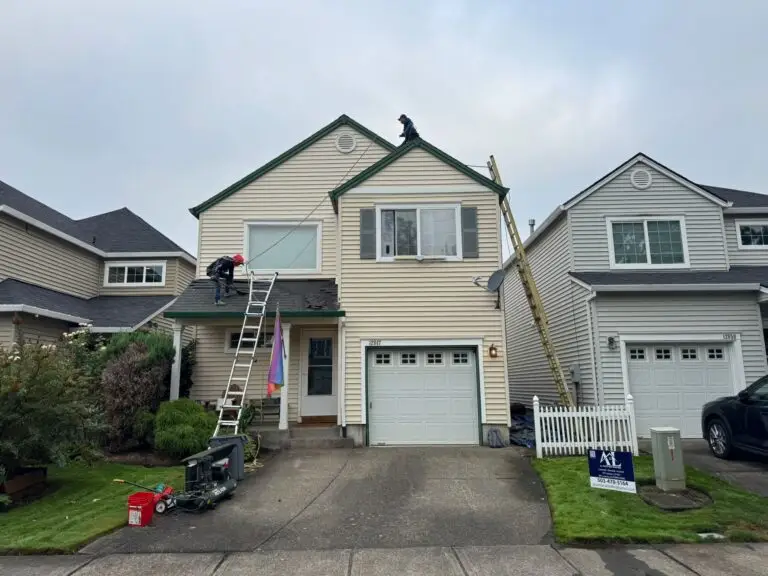
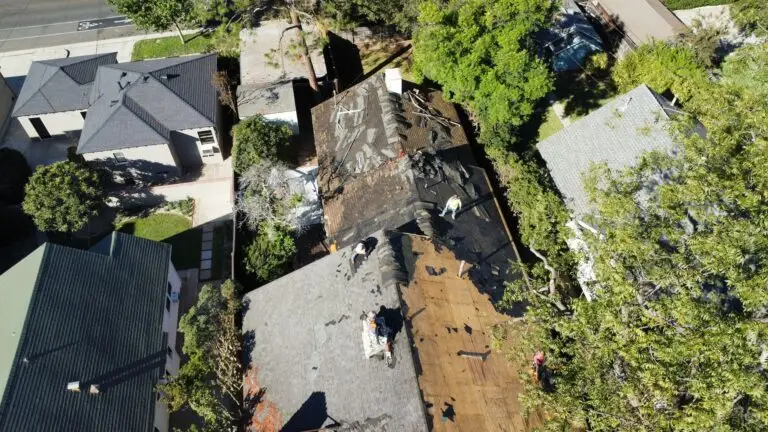
The tear-off stage is often the most visible and noisy part of the project. Old shingles, nails, and underlayment are removed to expose the decking beneath. This step allows contractors to inspect structural integrity and identify hidden moisture damage.
In Portland, prolonged rain exposure sometimes leads to soft or rotted decking sections. If compromised wood is discovered, replacement ensures the new roof rests on solid structural support. Skipping this step risks premature failure.
Professional crews use protective tarps and debris management systems to shield landscaping and siding. Magnet sweeps remove stray nails from driveways and yards. Although tear-off may look dramatic, it is essential for long term performance. Homeowners who previously relied on repeated repairs can compare the difference between patchwork solutions and full system replacement by reviewing roof repair services to see how installation upgrades go beyond surface fixes.
Installing Waterproofing Layers and Flashing
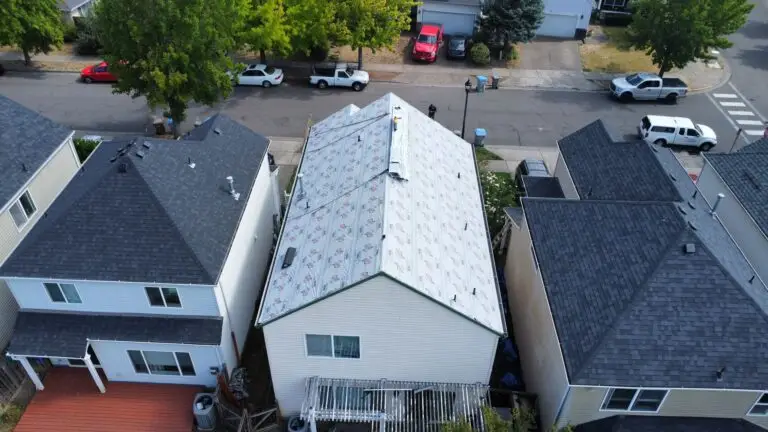
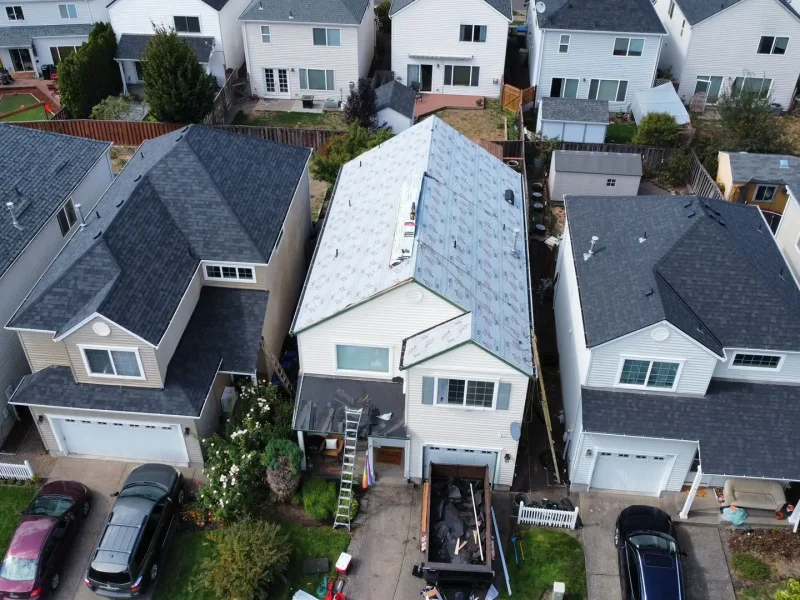
Once decking is secure, waterproofing begins. Underlayment acts as a secondary barrier against moisture intrusion. In Portland’s rainy climate, high-quality synthetic underlayment and water barrier membranes are especially important in valleys and eave edges.
This stage typically includes:
- Installing drip edge along roof perimeters
- Applying underlayment across the decking
- Adding water barrier protection in vulnerable areas
- Integrating flashing at chimneys, skylights, and walls
- Ensuring proper ventilation pathways
Flashing installation is one of the most critical steps. Improper flashing is a leading cause of roof leaks. According to FEMA home protection guidance, proper water management significantly reduces storm-related damage risk. Correct layering ensures rainwater flows off the roof without penetrating structural components.
Shingle or Roofing Material Installation
With waterproofing complete, visible roofing materials are installed. Shingles or panels are placed according to the manufacturer’s specifications to maintain warranty validity. Nail placement, overlap patterns, and ridge details must follow precise guidelines.
During installation, crews monitor alignment, secure ridge caps, and integrate ventilation components. Proper fastening prevents wind uplift, which can be a concern in exposed Portland neighborhoods.
Homeowners should expect consistent progress updates and photo documentation if requested. The visible surface is only as strong as the preparation beneath it, which is why earlier steps matter so much.
If unexpected storms occur during installation, temporary stabilization measures may be necessary. Reviewing emergency roof repair services can help homeowners understand how urgent weather events are handled during ongoing projects.
Final Inspection, Cleanup, and Warranty Documentation
The final stage of professional roof installation services involves inspection, cleanup, and documentation. Contractors conduct a detailed walkthrough to ensure materials are installed correctly and that ventilation pathways remain clear.
Final steps often include:
- Removing debris and excess materials
- Performing magnet sweeps for nails
- Inspecting flashing and ridge installation
- Reviewing attic ventilation performance
- Providing warranty paperwork
Homeowners should receive documentation outlining material warranties and workmanship coverage. Clear communication at project completion reinforces trust and ensures homeowners know how to maintain their new roof. For continued education and maintenance tips, exploring roofing blog resources helps homeowners extend the roof’s lifespan through preventative care.
Conclusion
Professional roof installation services in Portland involve far more than replacing old shingles. From the initial inspection to final warranty documentation, each phase is designed to protect your home against heavy rain, wind exposure, and long wet seasons. Tear off and deck evaluation uncover hidden issues. Waterproofing layers and flashing guard against moisture intrusion. Proper ventilation prevents condensation buildup. Precision material installation ensures long-term durability.
When homeowners understand what to expect from start to finish, they can plan confidently and avoid costly surprises. Choosing a contractor who prioritizes thorough inspection, code compliance, and detailed documentation leads to a roofing system built for Portland’s climate. For homeowners ready to move forward, AL Portland Roofing provides comprehensive guidance. You can review full installation details through new roof installation services, compare with roof repair solutions if evaluating options, request urgent assistance through emergency roof repair, schedule a consultation via the contact page, and continue learning in the roofing blog library.
FAQs
1. How long does roof installation take in Portland?
Most residential installations take one to three days, depending on weather and roof complexity.
2. What happens if the decking is damaged?
Damaged decking is replaced before new materials are installed.
3. Do I need a permit for roof installation?
Permit requirements vary depending on scope and structural changes.
4. What is included in professional roof installation?
Inspection, tear off, decking evaluation, waterproofing, flashing, material installation, and cleanup.
5. How do I prepare my home?
Move vehicles, protect attic items, and clear the driveway.
6. What is underlayment?
It is a moisture barrier installed beneath shingles for added protection.
7. How do contractors prevent leaks?
Through proper flashing integration and layered waterproofing.
8. What if it rains during installation?
Temporary protective measures are used until the weather improves.
9. How often should new roofs be inspected?
Annual inspections help maintain long-term performance.
10. How do I verify a roofing contractor in Oregon?
Check licensing through the Oregon Construction Contractors Board.