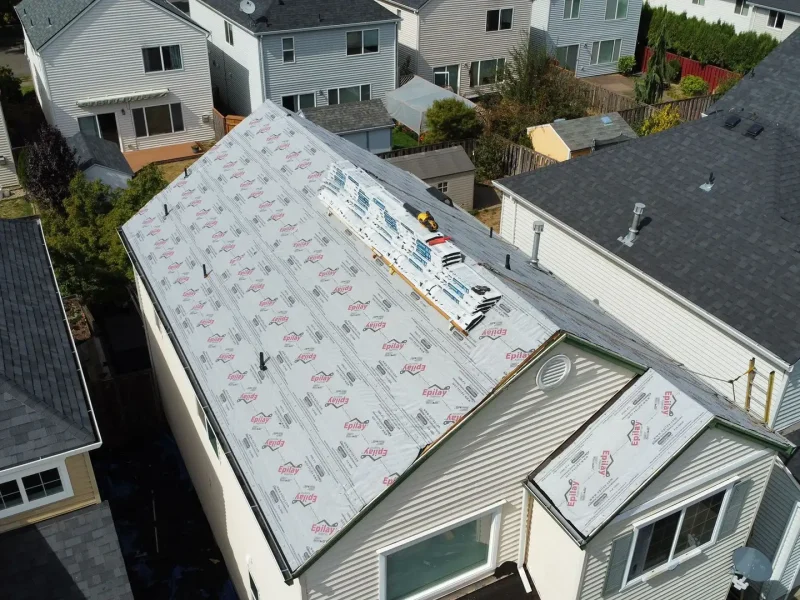
Flat roofs are a defining feature of many modern homes and commercial buildings throughout Portland. Their clean architectural lines and efficient use of space make them popular for offices, retail buildings, apartment complexes, and contemporary residences. However, flat roofing systems require specialized maintenance and repair strategies, especially in a city known for persistent rainfall and damp conditions. Unlike steep slope roofs that shed water quickly, flat roofs rely heavily on drainage design and membrane integrity to prevent leaks.
When water pools, seams weaken, or flashing deteriorates, small issues can escalate into structural damage. Property owners often delay repairs because flat roofs appear solid from the ground, but hidden moisture can spread beneath the surface long before visible leaks occur. Understanding flat roof repair in Portland is essential for protecting property value, minimizing business disruption, and avoiding expensive full replacements. This guide explains the most common flat roof problems, repair solutions for modern and commercial properties, and how proactive maintenance extends system lifespan.
Why Flat Roofs Require Specialized Repair in Portland
Portland’s climate creates unique challenges for flat roofing systems. Frequent rain, overcast conditions, and organic debris buildup increase the risk of ponding water and membrane deterioration. Flat roofs must be properly sealed, sloped for drainage, and ventilated to perform well in this environment.
Unlike pitched roofing systems, flat roofs depend on continuous membrane surfaces to prevent water intrusion. Even minor punctures or seam separations can allow moisture to penetrate insulation and decking. Modern commercial properties often feature HVAC units, skylights, and parapet walls that introduce additional flashing and transition points.
Because flat roofs are exposed to prolonged moisture exposure, repair requires more than patching visible cracks. It involves diagnosing drainage issues, reinforcing vulnerable seams, and restoring waterproof barriers. Property owners reviewing service scope details can reference roof repair services to understand how flat roof repair differs from traditional residential shingle work.
Common Flat Roof Problems in Modern and Commercial Buildings
Flat roof damage often develops gradually. Early recognition prevents widespread structural concerns.
Typical flat roof problems include:
- Ponding water that remains after rainfall
- Blistering or bubbling in membrane surfaces
- Cracked seams or open lap joints
- Flashing separation around parapet walls
- Damaged roof penetrations around HVAC equipment
- Moisture intrusion into insulation layers
Ponding water is one of the most common issues in Portland. When drainage pathways are blocked by debris, water remains on the surface and accelerates membrane breakdown. The Environmental Protection Agency highlights how standing water contributes to structural deterioration in building envelopes.
Routine inspection after heavy rainfall allows property owners to detect drainage weaknesses before leaks form. Early detection significantly reduces repair costs.
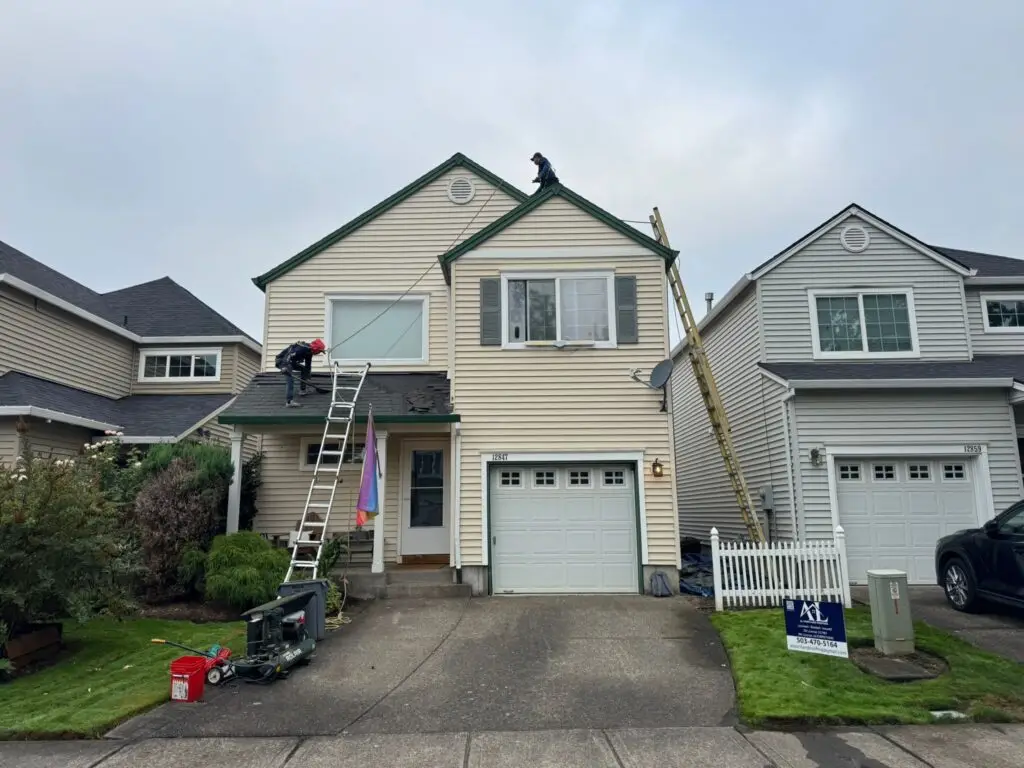
Flat Roof Leak Detection and Moisture Assessment
Leak detection in flat roofing systems requires precision. Water may travel across insulation layers before appearing inside the building. Interior stains often mislead property owners about the true source.
Professional flat roof leak detection typically includes inspecting seams, flashing, drain systems, and membrane condition. Moisture meters may be used to identify saturated insulation beneath the surface. In commercial properties, thermal imaging can assist in locating trapped moisture.
Accurate diagnosis prevents repeated patching of the wrong area. Property owners concerned about persistent leaks can review roof leak detection and repair services to understand how systematic evaluations identify root causes. By pinpointing the origin of water intrusion, contractors can recommend targeted repair instead of temporary solutions.
Effective Flat Roof Repair Solutions
Repair solutions depend on membrane type, damage extent, and overall roof age. Common flat roof materials in Portland include TPO, PVC, modified bitumen, and built up roofing systems.
Flat roof repair solutions may involve:
- Heat welding seams on TPO or PVC membranes
- Replacing damaged sections of modified bitumen
- Reinforcing flashing around penetrations
- Installing additional drainage components
- Applying silicone or elastomeric coatings for waterproof restoration
Protective roof coatings are increasingly popular for extending lifespan without full replacement. They create a seamless waterproof layer that reflects sunlight and reduces heat stress. The National Roofing Contractors Association provides guidance on flat roof system maintenance. Choosing the correct repair approach ensures durability and prevents repeated moisture intrusion.
Emergency Flat Roof Repair for Commercial Properties
Flat roofs on commercial buildings often house HVAC systems and equipment that increase vulnerability during storms. Sudden membrane punctures or flashing failures can disrupt business operations quickly.
Emergency flat roof repair typically includes:
- Temporary tarping or membrane sealing
- Securing loose flashing
- Removing hazardous debris
- Protecting interior spaces from further water intrusion
- Scheduling permanent restoration once conditions stabilize
Prompt emergency response limits operational downtime for commercial properties. Reviewing emergency roof repair services helps business owners understand how urgent stabilization is handled. Temporary protection prevents further interior damage while long-term solutions are planned.
When Repair Becomes Replacement
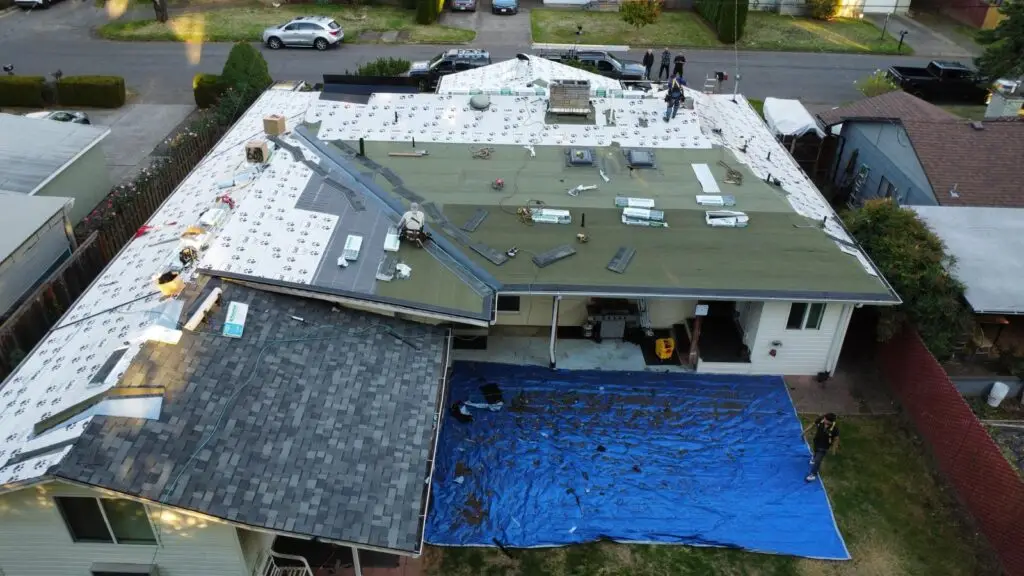
While many flat roof issues are repairable, widespread membrane deterioration or saturated insulation may require replacement. If moisture affects large sections of decking or repeated leaks occur across multiple areas, restoration may not be sufficient.
Indicators that replacement may be necessary include:
- Extensive seam separation
- Recurring leaks despite repairs
- Structural sagging
- Insulation saturation across large areas
- An aging membrane near the end of the lifespan
Modern replacement systems often include improved drainage design and upgraded waterproofing layers. Reviewing new roof installation options helps property owners evaluate long-term cost effectiveness when repair is no longer viable. Understanding when to transition from repair to replacement protects both budget and building integrity.
Conclusion
Flat roof repair in Portland demands attention to drainage, membrane integrity, and moisture management. Modern and commercial properties face unique challenges due to large surface areas and equipment penetrations. Ponding water, seam separation, and flashing failure are common in Portland’s wet climate, but timely intervention prevents widespread structural damage.
Accurate leak detection, targeted repair solutions, and proactive maintenance extend flat roof lifespan significantly. Emergency response minimizes disruption during storm events, while strategic planning helps property owners decide when replacement is necessary. For those seeking professional expertise, AL Portland Roofing offers region-specific support. You can explore detailed solutions through roof repair services, schedule diagnostics via roof leak detection, request urgent assistance with emergency roof repair, review full system upgrades through new roof installation services, and connect using the contact page. Ongoing education is available in the roofing blog library.
FAQs
1. What is the most common flat roof problem in Portland?
Ponding water and seam separation are frequent issues due to persistent rainfall.
2. How long do flat roofs last?
Most flat roofs last 15 to 25 years, depending on material and maintenance.
3. Can flat roofs be repaired without replacement?
Yes, localized damage can often be repaired effectively.
4. What causes flat roof leaks?
Seam failure, flashing damage, and drainage problems are common causes.
5. Is emergency flat roof repair expensive?
Costs depend on severity and timing, but prompt action prevents greater expense.
6. How often should flat roofs be inspected?
At least once per year and after major storms.
7. Can roof coatings extend flat roof life?
Yes, protective coatings can improve waterproofing and durability.
8. Are flat roofs suitable for commercial buildings?
Yes, they are common for commercial properties due to space efficiency.
9. What signs indicate replacement is needed?
Widespread deterioration and repeated leaks often signal replacement.
10. How can I prevent flat roof damage?
Routine maintenance, debris removal, and professional inspections reduce risk.