In the 2026 Portland residential landscape, the ability to identify subtle mechanical failures in a roofing system is a vital skill for long-term property preservation. Due to the consistent moisture and high biological load characteristic of the Pacific Northwest, roof degradation often occurs in invisible stages before a visible leak manifests in the living space. For homeowners in the Oregon region, waiting for a ceiling stain to appear usually means that the structural roof deck and insulation have already sustained significant water damage. Identifying early warning signs requires a disciplined technical approach to exterior inspection and an understanding of how regional weather patterns stress different roofing materials. At A&L Portland Roofing we prioritize early detection as a means of reducing the total cost of ownership for our clients. This guide provides the technical insights necessary to spot early damage and take action before minor issues evolve into a full-scale roof replacement.
Analyzing Shingle Morphology and Surface Degradation
The first line of defense against the Portland climate is the surface integrity of your shingles. Early damage often presents as a change in the physical shape or texture of the roofing material, which is a technical indicator of material fatigue. Portland homes are subject to thermal shock, where rapid temperature shifts cause the bitumen in asphalt shingles to expand and contract. This can lead to cupping, where the edges of the shingles turn upward, or curling, where the center of the shingle bows. From an engineering perspective, these deformities create gaps that allow wind-driven rain to reach the underlayment. During your inspection, you should also look for localized granule loss, which appears as bald spots on the shingles. These granules are essential for UV protection, and their absence accelerates the brittleness of the asphalt.
- Dimensional Stability Check: We look for any deviations from a flat profile, which indicates that the internal reinforcement of the shingle is failing.
- Granule Accumulation Audit: By inspecting the gutters for excessive sediment, we can determine the rate of surface erosion across the entire roof plane.
- Thermal Fracture Identification: We look for fine cracks that run horizontally or vertically across the shingles, which are precursors to complete material failure.
Pro-Tip: Use a pair of binoculars to inspect your roof from the ground during the late afternoon when the sun is at a low angle. The long shadows created by the sun will highlight any subtle buckling or curling of shingles that might be invisible during the middle of the day. If you see any irregular shadows, it is time to contact A&L Portland Roofing for a professional roof maintenance assessment.
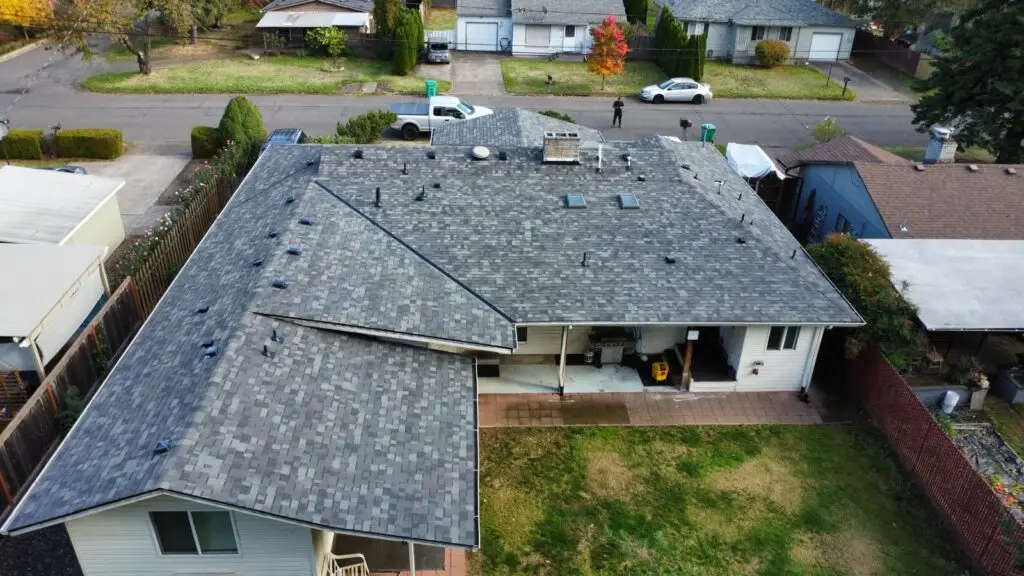
Identifying Compromised Flashing and Sealant Delamination
In the 2026 Portland housing market, flashing failure remains the primary cause of premature roof leaks. Flashing is the technical term for the thin metal strips installed at transitions such as chimneys and valleys, and plumbing vents. Early damage in these areas often takes the form of sealant delamination, where the architectural-grade caulking pulls away from the metal or masonry. In the humid Oregon environment, even a microscopic gap in the flashing can draw in gallons of water through capillary action. You should look for rusted metal or cracked rubber boots around vent pipes, which are clear indicators that the waterproofing seal has reached the end of its functional life. Catching these issues early allows for a simple roof repair rather than a complex structural restoration.
Biological Indicators of Moisture Retention and Wood Rot
One of the most unique early warning signs for Portland roofs is the presence of biological growth, such as moss, lichen, and liverworts. While some homeowners view moss as an aesthetic feature, it is technically a destructive organism that indicates the roofing material is retaining moisture for extended periods. Moss roots can penetrate the shingle mat and lift the edges, allowing water to bypass the primary drainage layer. Furthermore, the presence of mushrooms or fungal shelf growth on the roof edge or fascia board is a critical sign of advanced wood rot within the structural deck. At A&L Portland Roofing, we recommend immediate technical treatment for any biological growth to prevent the underlying plywood from softening and losing its load-bearing capacity.
- Moss Infiltration Mapping: We identify the northern-facing slopes and shaded areas where moisture retention is most prevalent.
- Fascia and Eave Soft Spot Testing: Our technicians physically check the wood at the roof edge for signs of sponginess, which indicates internal rot.
- Lichen Anchor Point Removal: We use specialized non-corrosive solutions to dissolve the chemical bonds that allow lichen to etch into the shingle surface.
Pro-Tip: If you see green growth appearing on your roof, do not attempt to scrape it off with a shovel or pressure washer. This will strip away the protective granules and destroy the shingle. Instead, use a technical zinc strip or a professional-grade biological wash to neutralize the growth without compromising the mechanical integrity of the roofing system.
Interior Attic Evidence of Secondary Water Intrusion
Early roof damage can often be spotted from inside the attic long before it becomes visible on the ceiling of your living room. During a heavy Portland rainstorm, you should perform a technical walkthrough of your attic space with a high-intensity flashlight. Look for “rust tracking” on the shafts of the nails that penetrate the roof deck. If the nail heads are rusty, it is a technical indicator that the shingles or underlayment above are allowing moisture to seep through. You should also look for dark streaks on the rafters or damp spots in the insulation. These are signs of slow-developing leaks that are currently being absorbed by the insulation but will eventually lead to mold growth and structural decay if not addressed by a local roofing expert in Portland.
Quantifying the Cost Savings of Early Detection
From a technical and financial perspective, the difference between early detection and reactive repair is thousands of dollars. In 2026, a minor roof repair to replace a vent boot or reseal a chimney might cost a few hundred dollars. However, if that same leak is left undetected for two seasons, it can lead to the failure of the roof deck, the saturation of attic insulation and the growth of mold. This can escalate the cost into the thousands and eventually necessitate a premature roof replacement. At A&L Portland Roofing, we provide detailed technical reports that rank the urgency of identified issues, allowing you to manage your home maintenance budget effectively while ensuring the structural safety of your residence.
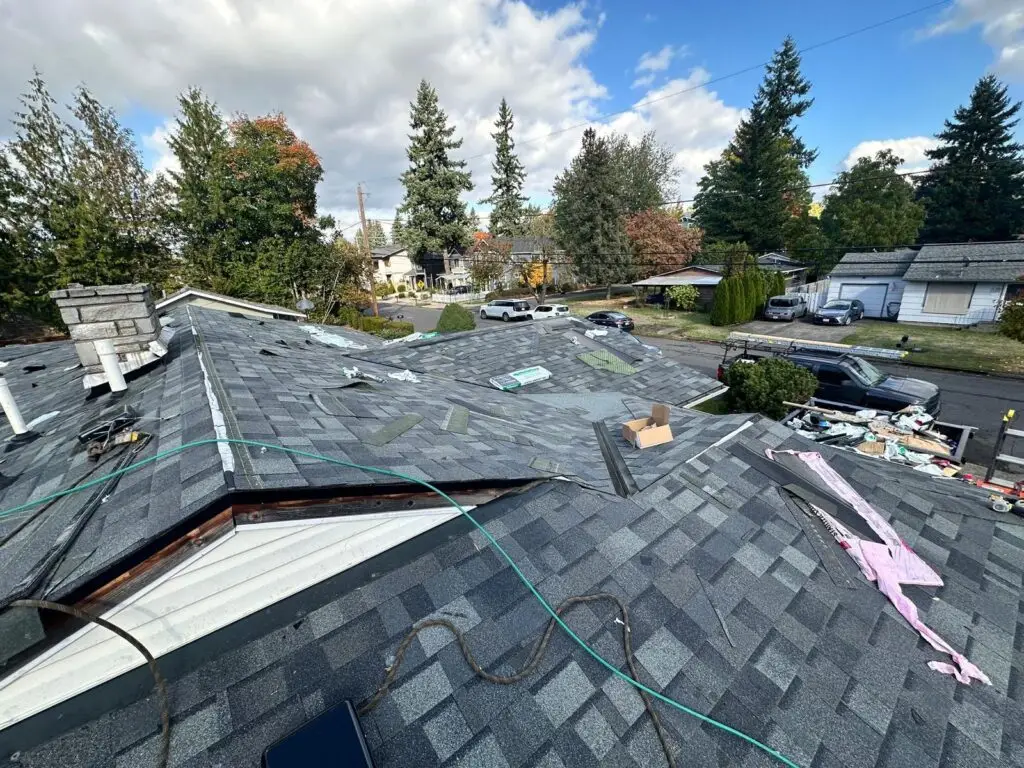
Conclusion
Spotting early roof damage in Portland is an essential practice for any homeowner looking to avoid the high costs of structural neglect. By understanding the technical indicators of shingle fatigue and flashing failure and biological growth, you can protect your property from the relentless Pacific Northwest moisture. In 2026, the complexity of modern roofing systems requires a vigilant and professional approach to maintenance. At A&L Portland Roofing, we are dedicated to helping our clients identify these hidden hazards and providing the high-quality craftsmanship needed to resolve them. Do not wait for the next major storm to test the integrity of your roof; invest in a professional diagnostic assessment today to ensure your home remains a dry and secure sanctuary for years to come.
Transforming your home’s weather resistance begins with professional expertise. To learn more about the latest roofing standards and maintenance innovations in the North Carolina area, you can explore our comprehensive articles and roofing guides for local inspiration. If your residence is ready for a professional and highly technical damage assessment, securing expert consultation and a professional project estimate is the most effective way to ensure a high-performance experience. You can view our history of professional service and client satisfaction to see how we have served homes across the Portland region for years. At A&L Portland Roofing, we offer tailored residential roofing solutions designed to meet the unique mechanical needs of Oregon properties. We are dedicated to helping you create a space that balances modern efficiency with the highest quality Portland roofing standards your residence deserves.
FAQ
What is the most common sign of early roof damage in Portland?
The most common early sign is granule loss in the gutters or localized moss growth, which indicates that the shingles are retaining moisture.
Can a roof leak without water dripping from the ceiling?
Yes. Many early leaks are absorbed by attic insulation or travel down the internal wall studs, making them invisible to the homeowner until the rot is advanced.
Why are plumbing vent boots a common failure point?
The rubber on vent boots dries out and cracks over time due to UV exposure and temperature shifts, allowing water to run down the pipe into your walls.
Is it worth repairing a roof that is 15 years old?
If the damage is localized and the rest of the shingles are healthy a roof repair can extend the life of the system by several years.
How do I know if my roof has wind damage?
Look for “crease lines” near the top of the shingles or tabs that are flapping in the breeze. This indicates that the thermal sealant bond has failed.
Does your company provide commercial roof inspections?
Yes. We specialize in commercial roofing assessments for businesses and multi-family properties across Portland.
What are shiner nails in an attic?
Shiner nails are nails that missed the rafter and are exposed. In winter, they get cold and cause moisture to condense on them, which looks like a leak.
Can moss actually lift my shingles?
Yes. As moss grows, it expands and can physically lift the edge of the shingle, allowing wind-driven rain to blow underneath it.
What is the typical lifespan of a Portland roof?
Due to the moisture level,s a standard asphalt roof in Portland typically lasts between 20 and 25 years with professional roof maintenance.
Should I get an inspection after a hail storm?
Absolutely. Hail can cause microscopic fractures in the shingle mat that are not visible from the ground but will lead to rapid failure within a year.